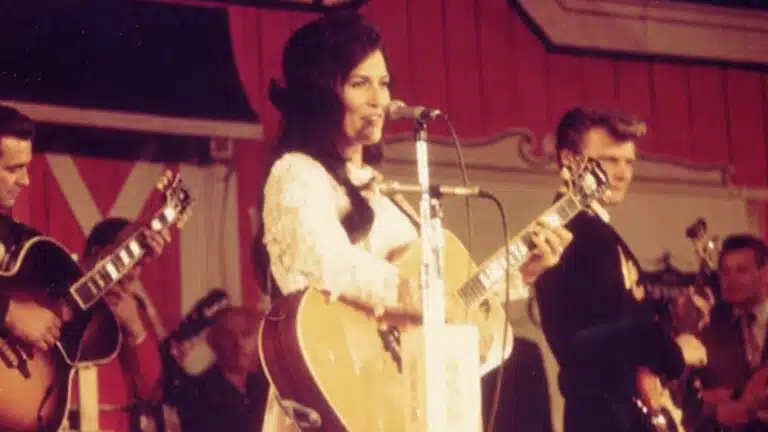


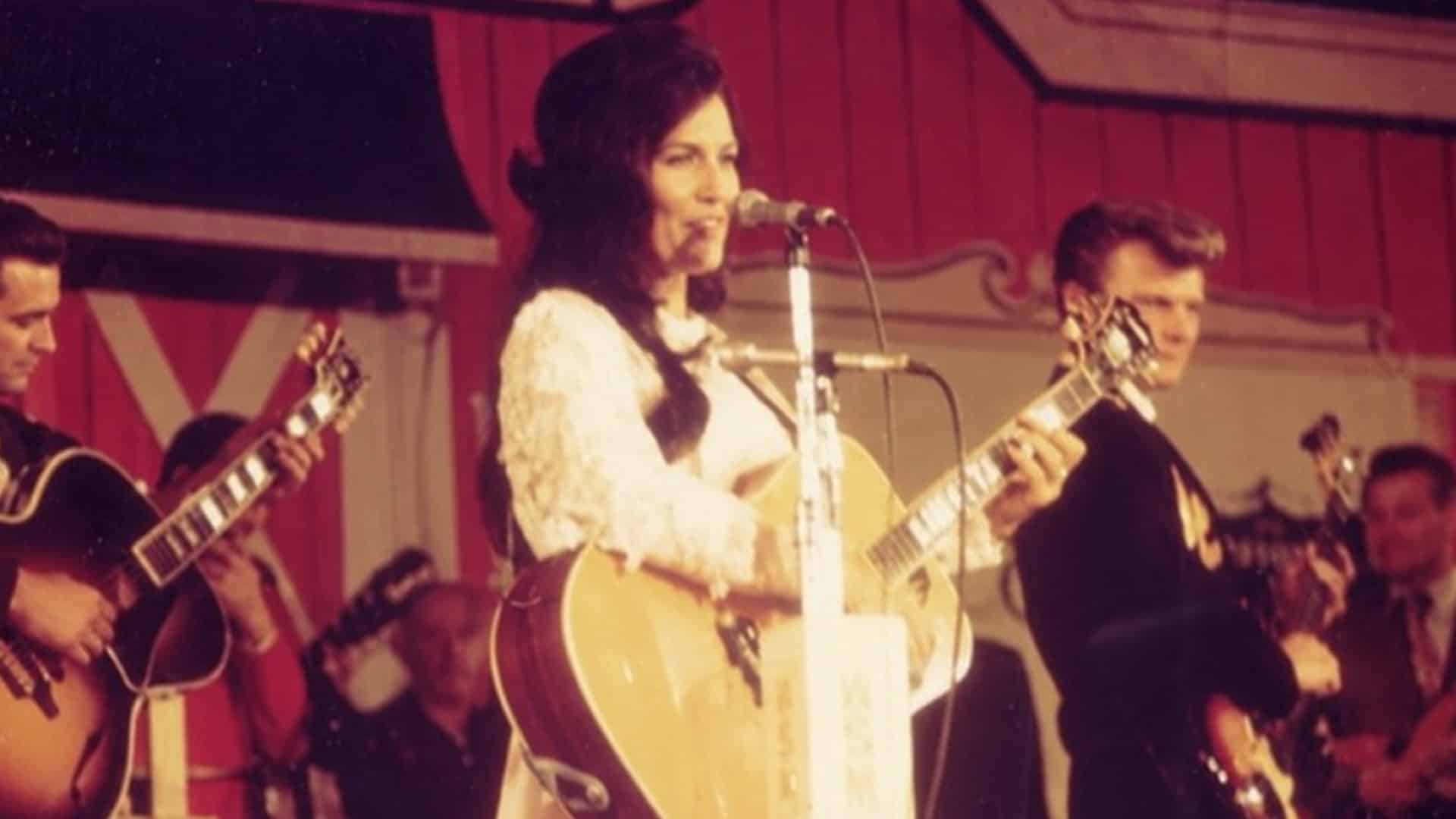
Loretta Webb was a teenager in Butcher Hollow, Kentucky, when a young man just home from the army bid $5 at a pie social and won her pie.
His name was Oliver Lynn, the world would come to know him as Doolittle, and she called him Doo.
About a month later, on January 10, 1948, she married him. She was 15 and he was 21, though for years she said she had been 13, until the Associated Press found her birth certificate in 2012 and set the record straight.
She wrote in her 2002 memoir, Still Woman Enough, that she married Doo when she wasn’t but a child, and that he was her life from that day on.
That marriage lasted 48 years, until Doolittle died in 1996 at 69. Loretta Lynn lived 26 more years without him and died on October 4, 2022, at 90, at her home in Hurricane Mills, Tennessee, the ranch where she and Doolittle raised their family.
It was a turbulent marriage, marked by his drinking and his infidelity, and she put it in her songs, from “Don’t Come Home A-Drinkin'” to “Fist City” to “Wouldn’t It Be Great?,” the 1985 song she wrote him about his drinking.
She once said she never wrote a song that he wasn’t in.
From the $17 guitar he bought her in 1953 to the song she recorded for the last time in 2018, 70 years after their wedding, Doolittle ran through her music.
Doolittle Bought Her a $17 Guitar and Pushed Her Out to Sing
A year after the wedding, the couple moved west to Custer, Washington, where Doolittle went looking for better work. She worked too, and she told NPR’s Fresh Air in 2010 that she cleaned and cooked for 36 ranch hands.
In 1953, Doolittle bought his wife a $17 Harmony guitar from Sears, and she wrote her first songs on it.
She said on the same program that she had never sung in front of anybody until her husband pushed her out there.
He pushed hard. Doolittle helped arrange an early engagement at the local Grange hall and bragged that his wife sang better than anyone except Kitty Wells, the reigning queen of country music at the time. When her debut single, “I’m a Honky Tonk Girl,” came out, he drove her to radio stations to get it played, and it reached No. 14 on the country chart in 1960.
Money was short. Before her big night at the Grand Ole Opry in 1960, the two of them slept in the car and had doughnuts.
He worked as her manager for years, and at their place in Goodlettsville, Tennessee, he later built her a room just for writing. In Still Woman Enough, she wrote that he thought she was more special than anyone else in the world and never let her forget it, and that she could never have done it on her own.
She also told Rolling Stone that he was the reason she got out of Butcher Hollow.
Their story eventually reached the whole country. “Coal Miner’s Daughter” became her self-penned signature hit in 1970, a song about her daddy’s work in the mines and the holler that raised her. Her 1976 autobiography took the same name, and the 1980 film made from it starred Sissy Spacek as Loretta and Tommy Lee Jones as Doolittle, putting their marriage on movie screens across America.
Spacek won the Academy Award for Best Actress for the role.
“Don’t Come Home A-Drinkin'” and “Fist City” Came Straight Out of Her Marriage
The same man who drove her records to radio gave her plenty to write about. Doolittle drank, other women came around, and Loretta answered both in her music.
“Don’t Come Home A-Drinkin’ (With Lovin’ on Your Mind),” which she wrote with her sister Peggy Sue, rebuked his drunken homecomings. On February 11, 1967, it became her first No. 1.
Rivals got songs of their own. “You Ain’t Woman Enough (To Take My Man)” warned one off in 1966, and “Fist City” came from the women pursuing Doolittle, including a schoolbus driver who claimed she was in love with him. Loretta told how that one ended in her lyrics book, Honky Tonk Girl.
She, the woman and Doo met in the yard one day when she came in off tour, and “she didn’t stay very long.”
“Fist City” went to No. 1 in 1968, warning another woman to stay away from her man.
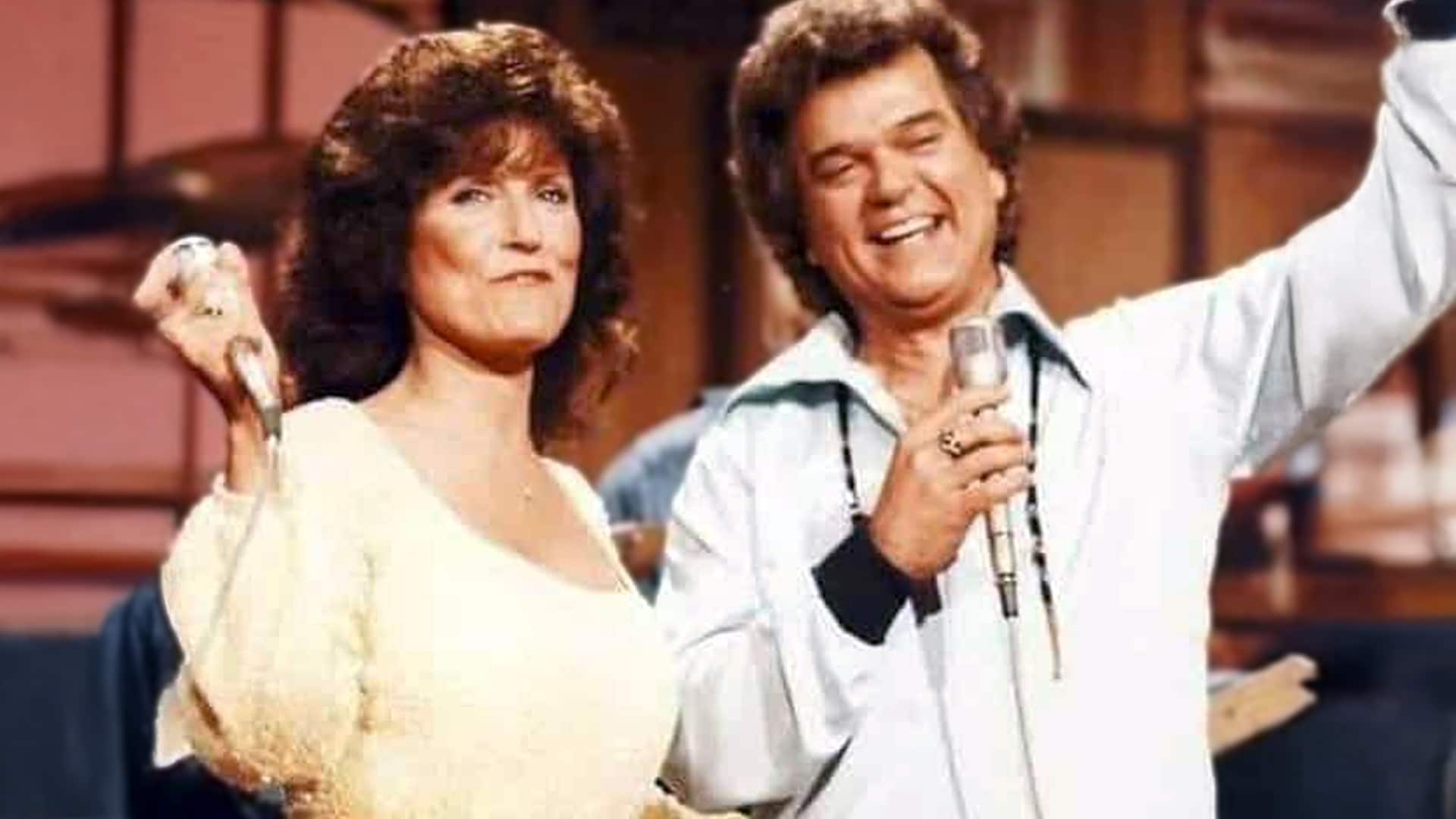
For You
The Country Music Hall of Fame and Museum has noted that the humor in songs like “Fist City” kept her from alienating her audience.
She once said every song she ever wrote had a part of her in it. Kyle Young, the Hall of Fame’s CEO, said in a tribute statement that the story of her life was unlike any other, and he named what set her songs apart.
In a music business often concerned with aspiration and fantasy, he said, Loretta insisted on sharing her own brash and brave truth.
A good share of that truth had Doolittle’s name on it.
Loretta Lynn Fought Back, Stayed and Raised Six Children With Doolittle
The couple had six children, Betty Sue, Jack Benny, Cissie, Ernest Ray and the twins Peggy and Patsy, and the first four arrived within six years of the wedding. The twins came in 1964, and Patsy was named for Patsy Cline.
The trouble started early. When she was pregnant with Betty Sue, he sent her back to her parents, and he was not there when Jack Benny was born in 1949. Later, when the children were small, he once disappeared for two weeks, and she fed them on dandelions and game she shot herself.
There was violence in the house too, and she never hid it. Speaking in 2010 about a marriage with lots of ups and downs, she made clear she fought back.
“He never hit me one time that I didn’t hit him back twice,” she said.
She is widely quoted as saying she put up with it because of their six children. She stayed for 48 years, and when she talked about him, she talked about more than the worst of him. In her memoir, she wrote that in most ways Doo had been a good husband, and she called him her security and her safety net.
Their daughter Cissie spoke to CBS News about how both of her parents lived.
“She lived a lonely life, a lonely life and so did Dad,” she said.
That one sentence is fair to both of them.
Loretta Lynn Kept Singing Her Last Song to Doolittle Long After He Was Gone
In 1985, Loretta wrote her last song to Doo and released it on her album Just a Woman. It was called “Wouldn’t It Be Great?” and it was about his drinking, asking him for one thing, to say “I love you” with a sober mind.
The song stayed with her. In 1993, she recut it with Dolly Parton and Tammy Wynette on Honky Tonk Angels, the album the three of them made together.
Doolittle’s health failed in his last years, with heart surgery in 1992 and diabetes, and Loretta put her career on hold to care for him. He died on August 22, 1996, at 69.
Eight years later, she released Van Lear Rose, produced by Jack White, and one of its songs, “Miss Being Mrs.,” was written from the side of a woman who misses being married. That same year, their daughter Patsy spoke to Rolling Stone about her mother.
She said she did not think her mother had totally accepted her dad’s loss, and that it was almost as if he had gone on a long vacation.
In the same interview, Patsy called her mother a songwriter first and foremost.
Patsy, credited as Patsy Lynn Russell, helped bring her parents’ song back one more time. In 2018, Loretta recorded “Wouldn’t It Be Great?” a final time as the title track of her next-to-last album, produced by Patsy and John Carter Cash, the son of Johnny Cash and June Carter Cash. She had written it 33 years earlier, and Doolittle had been gone for 22.
On NPR’s Fresh Air in 2010, 14 years after his death, Loretta Lynn still called Doolittle her husband and the only one she had ever had, and she said where he could still be found.
“Still is, I mean… if I write a song, he’s in there somewhere,” she said.

Know someone who loves Loretta Lynn?
Pass this story along to your friends and family on Facebook.