

He only needed one song to change the future of country music forever.
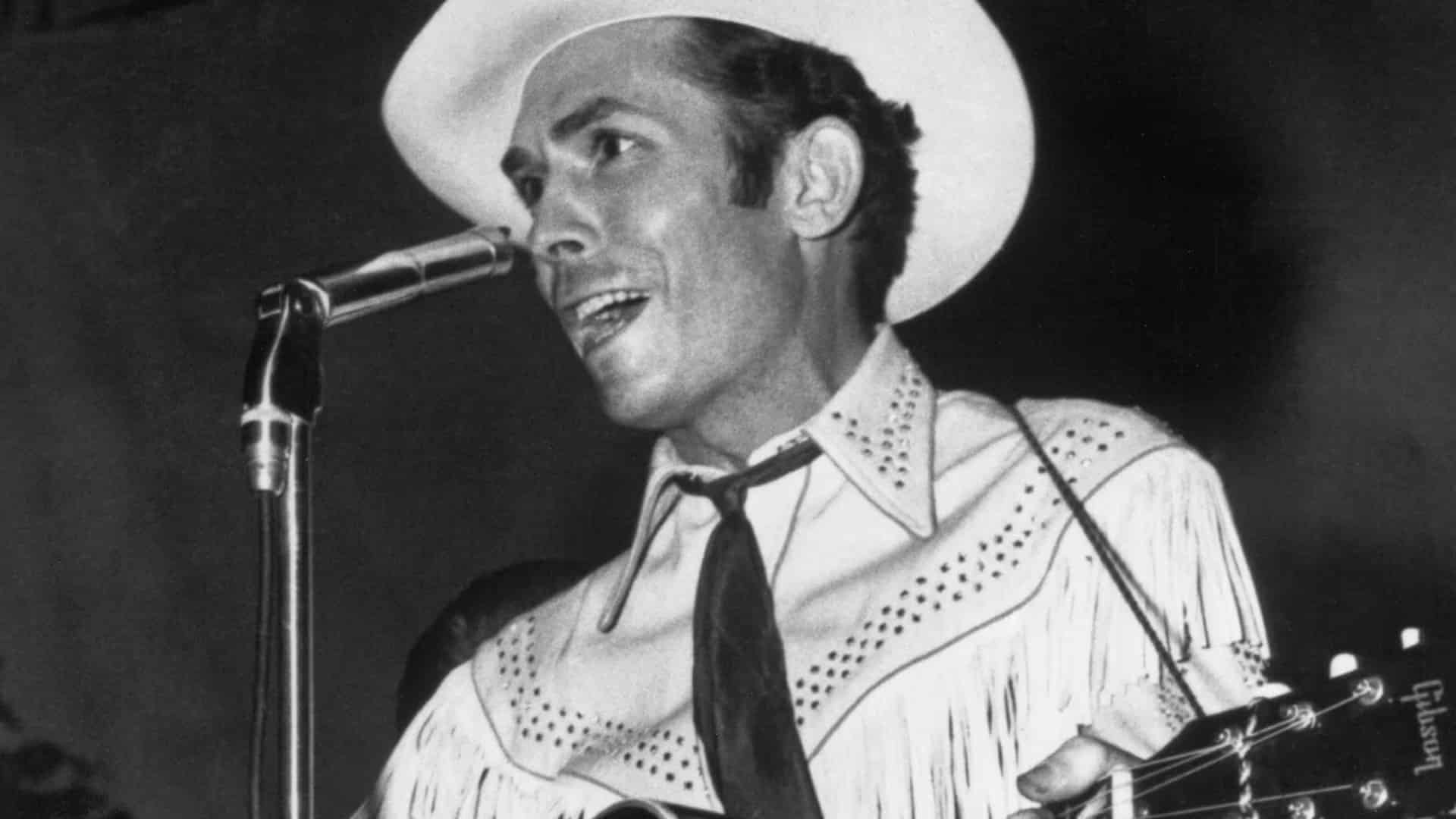
On November 14, 1951, Hank Williams made his television debut on The Perry Como Show and brought his number one hit “Hey, Good Lookin'” to a national audience that had never seen anything like him. In just a few minutes of airtime, he shifted the perception of country music from a backroads sound to a full-blown American art form. This was not just some boy from Alabama pickin’ and grinnin’. This was a star stepping into the spotlight, and the world felt it.
Hank’s rise had not come easy. His early recordings barely made a ripple, and he spent years grinding it out on the road and on local radio. But in 1949, that all changed with “Lovesick Blues,” which lit up the charts and made him a star at the Grand Ole Opry. The crowd demanded six encores that night, and Hank never looked back. Between 1949 and 1951, he stacked up hit after hit. “I’m So Lonesome I Could Cry,” “Long Gone Lonesome Blues,” and “Cold, Cold Heart” each pushed his legend higher.
By the fall of 1951, he was country music’s reigning king. And “Hey, Good Lookin’,” which he wrote in just 20 minutes on a plane with Little Jimmy Dickens and Minnie Pearl, was burning up the charts. It was released in June and had hit number one by August, where it stayed for weeks. MGM Records saw the opening and moved fast. Five days before Hank’s TV debut, they dropped his first LP, Hank Williams Sings. It was full of songs that had flown under the radar at first but would later be hailed as classics, including “Lost Highway,” “I Saw the Light,” “Six More Miles (To the Graveyard),” and “Wedding Bells.”
When Hank took the stage on November 14, he did it with the wind at his back. The Perry Como Show was a top-rated variety program, and Como himself was one of the biggest pop stars in America. The show had already earned its place in millions of living rooms. Hank brought with him steel guitarist Don Helms and the Drifting Cowboys, his trusted band, and delivered “Hey, Good Lookin'” to a crowd that had likely never seen a country act live on television.


For You
The moment was electric. This was not a novelty booking or some token nod to country. This was a man performing the biggest song in the genre at the height of his fame in front of a national audience. And the impact was immediate. The very next week, Como himself opened his show by performing “Hey, Good Lookin'” in a cowboy hat and then offered a public apology to Hank on-air, which was a rare show of respect that said everything about Hank’s influence.
There is no surviving footage of the performance, but what followed left no doubt that it hit hard. Hank’s album gained steam, his crossover potential grew, and more television appearances followed, including two on The Kate Smith Evening Hour in early 1952. There he performed “Cold, Cold Heart,” “Hey, Good Lookin’,” and joined the cast for “I Saw the Light.” He had broken the wall between country and mainstream American entertainment, and he did it without changing a thing about who he was.
But while his music soared, his personal life unraveled. Fame brought pressure, and Hank’s battles with alcohol and painkillers only got worse. In 1952, the Grand Ole Opry let him go, and by the start of 1953, Hank was gone. He died of a heart attack in the back seat of a car on New Year’s Day. He was just 29 years old.
That television debut still stands as one of the defining moments in Hank Williams’ legacy. It was the night country music stepped into the national spotlight and proved it belonged there. And it was the night America got its first real look at a man who would go on to influence every generation of country artists to follow.
“Hey, Good Lookin'” became one of the most-covered songs in the history of the genre. It was recorded by everyone from Johnny Cash to Ray Charles. It was inducted into the Grammy Hall of Fame in 2001 and is still as catchy and clever as the day Hank wrote it. That night on The Perry Como Show, he did more than sing a hit. He introduced himself and country music to the rest of America. And the country never sounded the same again.