

Sometimes, the biggest hits in country music history almost never make it to the singer who turns them into legends.
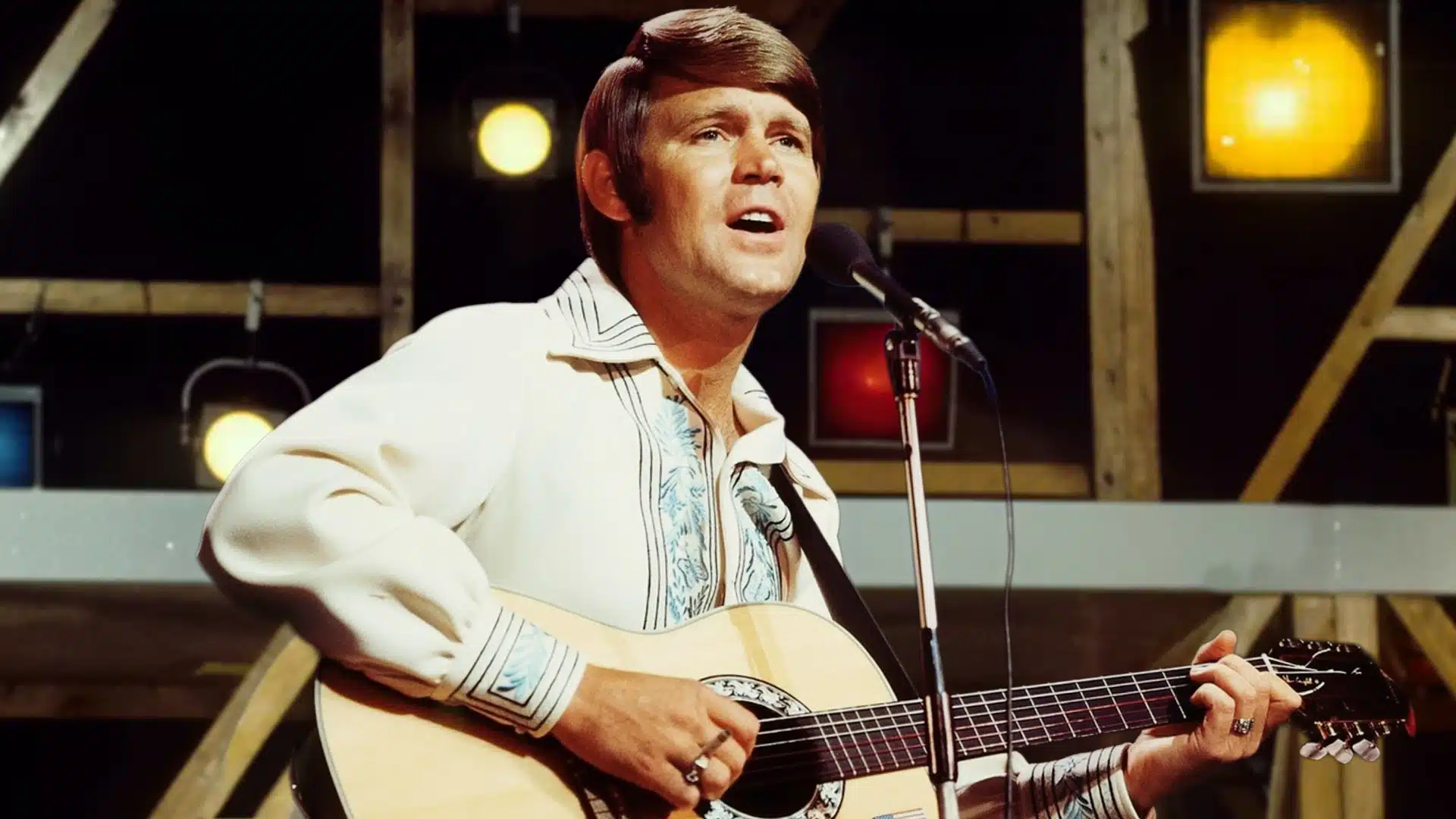
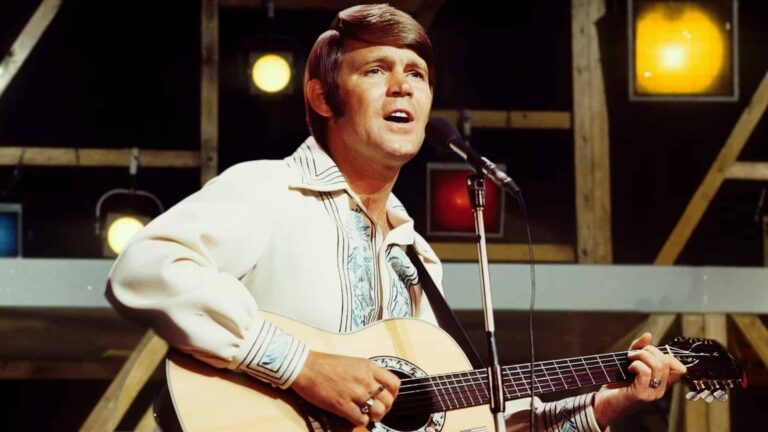
Back in 1975, Glen Campbell was already a star with hits like “Gentle on My Mind” and “By the Time I Get to Phoenix.” But nothing defined his career like “Rhinestone Cowboy.” The song hit No. 1 on both the pop and country charts, selling more than any single Campbell ever recorded. It became his signature anthem, a tune that carried him across genres and cemented him as one of the most recognizable voices in American music.
What makes the story even more fascinating is that Campbell wasn’t even supposed to have it.
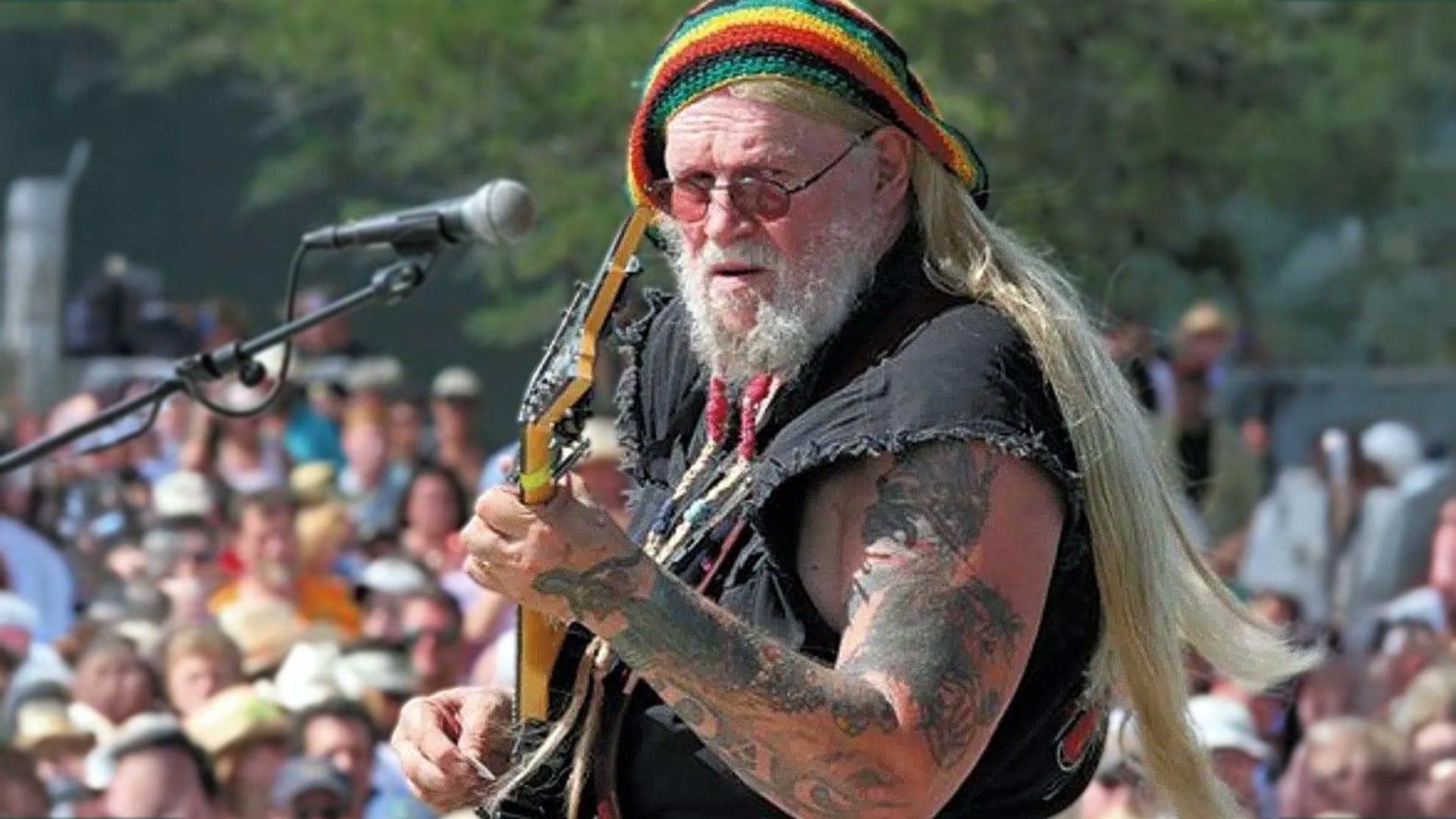
Songwriter Larry Weiss first recorded “Rhinestone Cowboy” for his own album in 1974. It made a little noise on the Easy Listening chart, but nobody thought it was destined for greatness. Weiss shopped it around, and country outlaw David Allan Coe was one of the singers who got the pitch.
Coe turned it down.
In his own words, Coe thought cutting the song would feel egotistical because he was already calling himself the “Mysterious Rhinestone Cowboy” while strutting around in rhinestone suits gifted by Mel Tillis. He admitted he liked the tune but thought singing it himself would be too on the nose. So he passed.
That decision opened the door for Glen Campbell.
Driving around Los Angeles, Campbell heard Weiss’s version playing on the radio. It stopped him in his tracks. He later said it reminded him of when he discovered “By the Time I Get to Phoenix” on a Johnny Rivers record. Something about the song’s story of struggle, compromise, and chasing dreams hit him deep. He knew he had to cut it.
Capitol Records agreed and lined him up with producers Dennis Lambert and Brian Potter. Campbell laid down the track, and at first, the label wasn’t sure it would work. The single sat on the shelf until Campbell performed it on a telethon and caught the attention of programmers. Radio stations started spinning it, and within weeks, “Rhinestone Cowboy” exploded.
For You
By September 1975, Campbell’s version had knocked David Bowie’s “Fame” out of the top spot and was sitting at No. 1 on the Billboard Hot 100. It also topped the country chart, making Campbell the first artist since Jimmy Dean in 1961 to score that kind of crossover success.
For Campbell, the song hit close to home. He wasn’t a flashy cowboy, but he understood the grind of chasing a dream in the music industry and the compromises along the way. Lines like “There’s been a load of compromising on the road to my horizon” summed up his journey from an Arkansas farm boy to one of Nashville’s brightest lights.
The hit earned him Grammy nominations for Record of the Year and Best Male Pop Vocal Performance. More importantly, it gave him a theme song that followed him the rest of his life. Even as his career went through ups and downs, “Rhinestone Cowboy” was always there, a reminder of the moment he became bigger than country music.
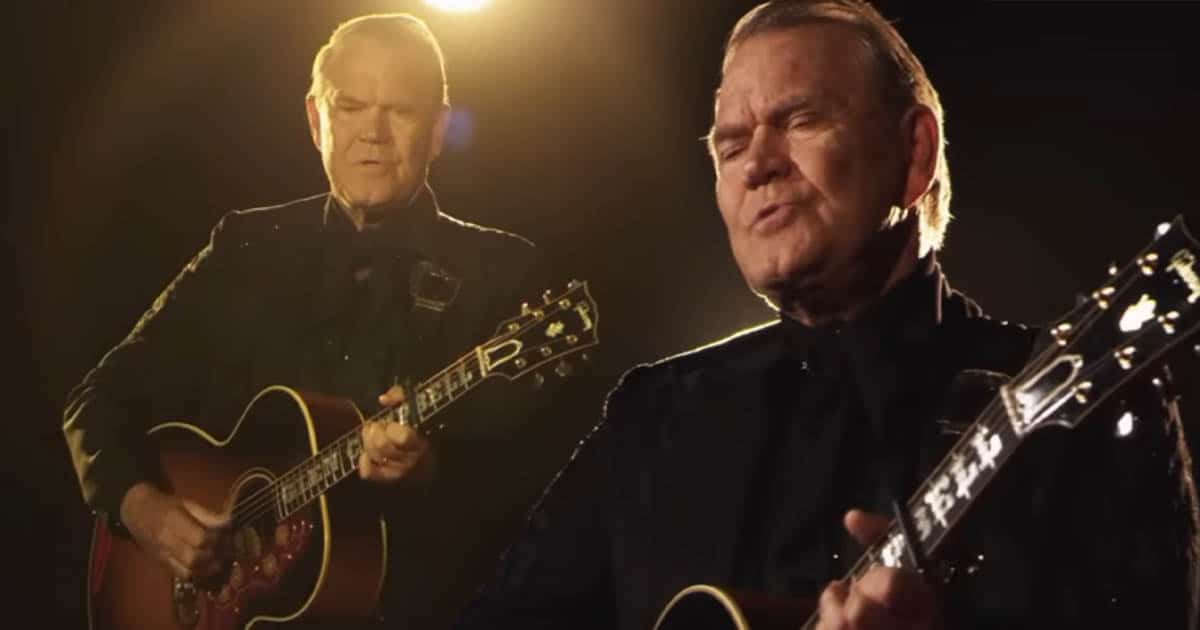
Campbell performed the song at the 2012 Grammy Awards, just five years before his death in 2017. By then, Alzheimer’s had already begun to take its toll, but he still smiled as he sang the song that defined him. Fans gave him a standing ovation, knowing they were watching a piece of history.
It is almost unreal to think the track could’ve ended up somewhere else. Elvis Presley passed on it. David Allan Coe walked away from it. Glen Campbell heard it on the radio, took a chance, and turned it into gold.
Fifty years later, “Rhinestone Cowboy” is more than just a country hit. It is a story of fate, timing, and the kind of song that comes along once in a lifetime.
Know someone who loves Glen Campbell?
Pass this story along to your friends and family on Facebook.