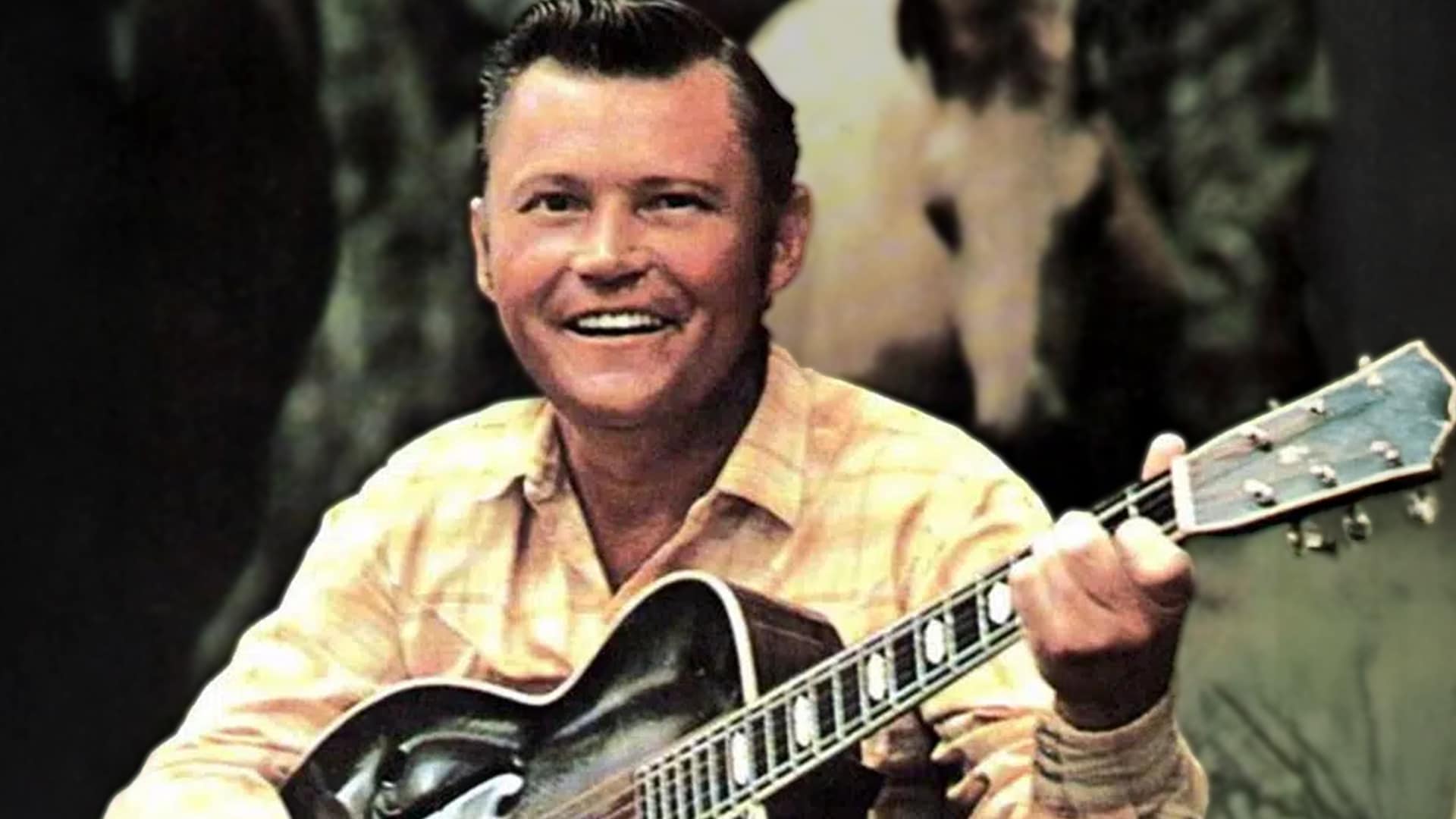


Stonewall Jackson walked into Nashville with a guitar, a truck, and a dream, and walked out a member of the Grand Ole Opry before he ever signed a record deal.
That was unheard of in 1956, and honestly, it still is. But Stonewall did not wait around for permission. Four years ago, country music lost this honky-tonk trailblazer when he passed away at the age of 89. His death marked the end of an era because he was the last living solo artist inducted into the Opry during the 1950s and had the second-longest tenure in the institution’s history.
Born in Tabor City, North Carolina, and raised on a farm in south Georgia, Stonewall had grit in his blood and country in his bones. At just 10 years old, he traded his bicycle for a guitar. That should tell you everything. After a stint in the Navy, he scraped together 350 dollars, drove to Nashville, and checked into a cheap motel. Across the street stood Acuff-Rose Music, so he walked in and said he would see if anybody in country music would talk to him.
Wesley Rose, one of the most powerful men in publishing, heard the young singer and saw something real. He picked up the phone and got George D. Hay from the Opry on the line. Within minutes, Stonewall was standing in front of the man who built the Opry from the ground up. Ten minutes later, he was signed.
His debut performance that Friday night was backed by Ernest Tubb’s Texas Troubadours, and the crowd demanded four encores. That kind of thing simply did not happen. Ernest Tubb took the kid under his wing and brought him on tour, and not long after, Columbia Records came calling. His first big single, “Life to Go,” written by his friend George Jones, hit Number Two in 1958. But it was “Waterloo” in 1959 that blasted him into the stratosphere. The song held the top spot on the country chart for five straight weeks and even climbed to Number Four on the Billboard Hot 100.
From 1958 through 1971, Stonewall Jackson landed 35 Top 40 country hits. He cut the first live album ever recorded at the Grand Ole Opry. He wrote classics like “Don’t Be Angry,” “Why I’m Walkin’,” and “A Wound Time Can’t Erase.” But more than anything, he showed up. Every week. Every show. For decades.


For You
Until the Opry tried to sideline him.
In the late 1990s, after new management took over, Stonewall found himself getting fewer and fewer slots on the stage he helped build. So in 2006, at the age of 74, he filed a lawsuit against the Opry and Gaylord Entertainment for age discrimination. He claimed the Opry’s general manager told him that he was too old and too country, and that there would be no gray hairs left on the stage by the time he was done. Stonewall was not having it.
The lawsuit was settled out of court, and while the terms were kept private, what mattered most was that Stonewall got his spot back. He returned to regular performances on the stage he had fought so hard to be part of.
His final performance came in 2012 at the funeral of George Jones, the man who gave him his first hit. That full-circle moment was pure country. It was gritty and loyal, and it was rooted in something deeper than fame.
Stonewall Jackson was a fighter and a pioneer. He did not care if he was too country. He just cared about doing it right. And four years after his passing, his legacy still holds the kind of weight that cannot be faked.
He showed up with a sack full of songs and left with a place in country history that no one else will ever fill.