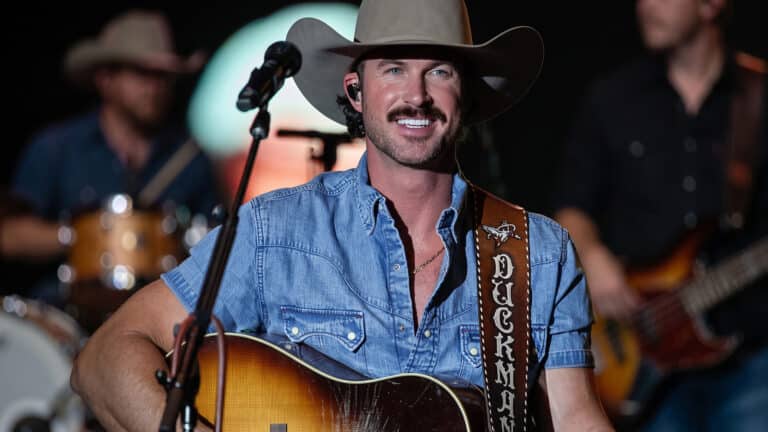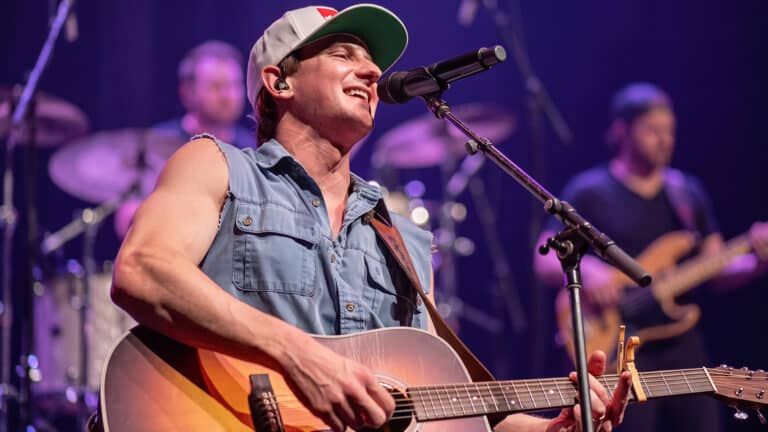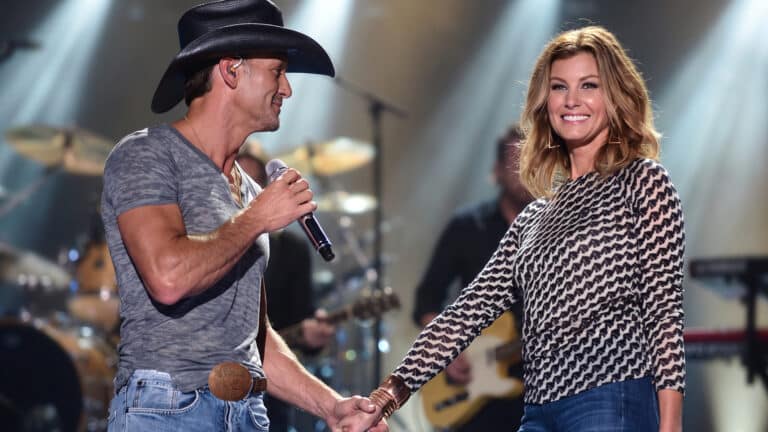


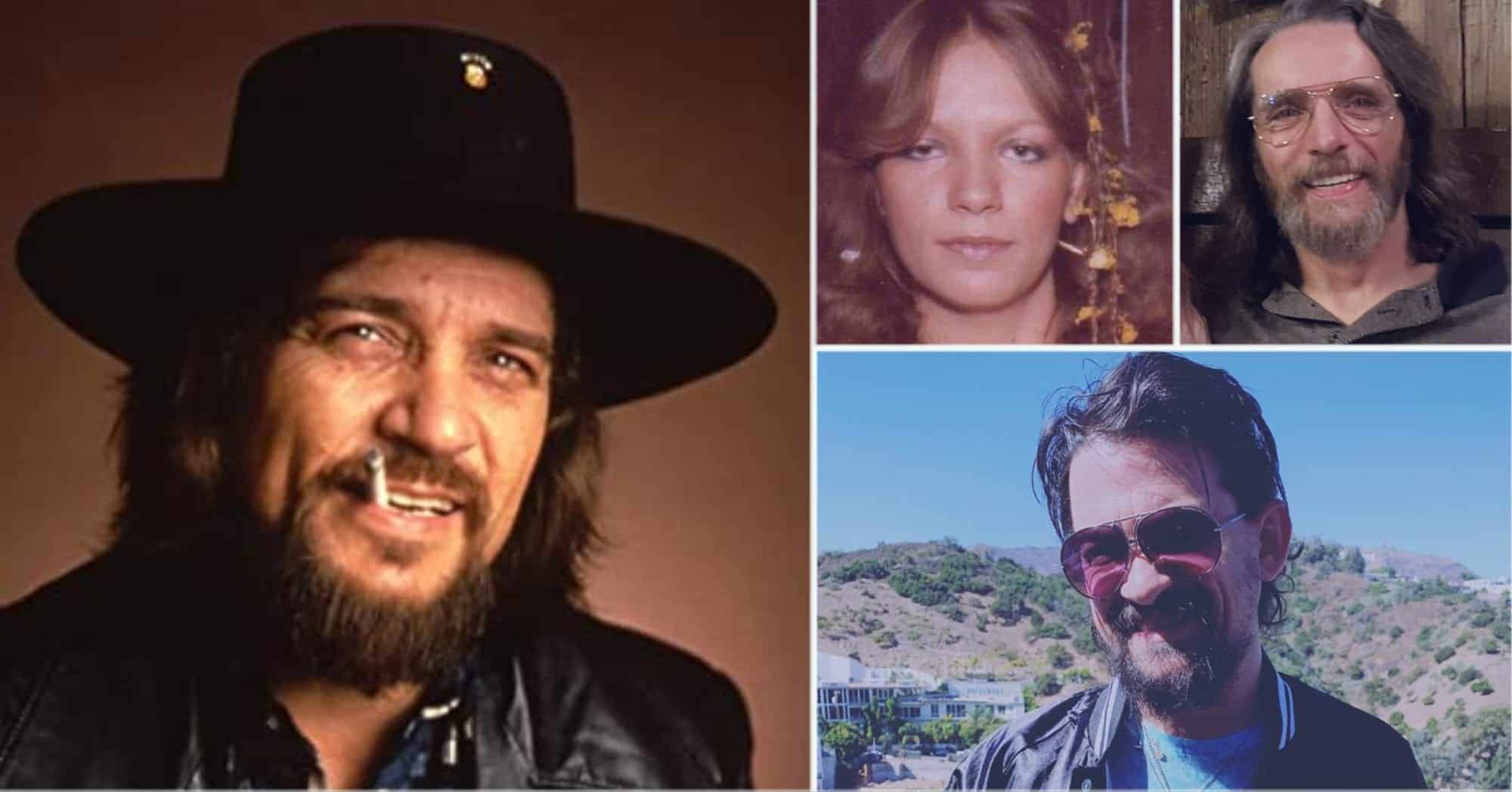
He might have been sitting in a chair, but Waylon Jennings still owned the damn stage.
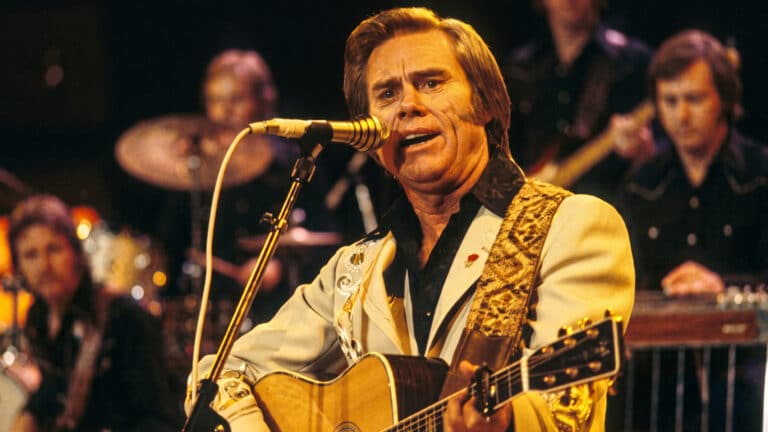
In January 2000, the outlaw king himself stepped onto the hallowed floor of the Ryman Auditorium in Nashville, Tennessee, and gave what would become the final major performance of his legendary career. His health was fading, but his fire was still burning hot. That night was captured for the world in Never Say Die: The Final Concert. Over two decades later, the raw emotion, grit, and heart of that performance still punch like a freight train.
Waylon Jennings was not the type to go quietly. Years of hard living had caught up with him for sure. Decades of touring, a brutal cocaine addiction he kicked in 1984, and the kind of stubbornness only Texas can breed had taken their toll. By 2000, diabetes had him hurting, and heart surgery was already in the rearview. But instead of bowing out, Waylon put together his dream band, the Waymore Blues Band, filled with musical killers and longtime collaborators. He was going to do this his way.
He did not call it a farewell. That was not his style. But fans and insiders alike knew something felt final about those two nights at the Ryman. And it felt like watching a man pass the torch while still holding it high.
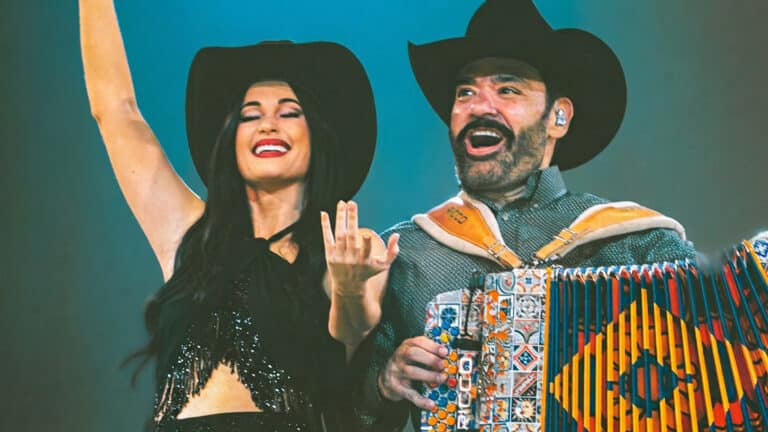
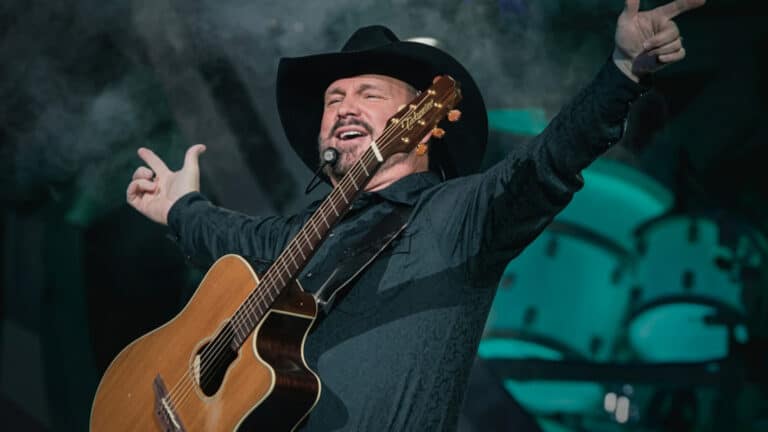
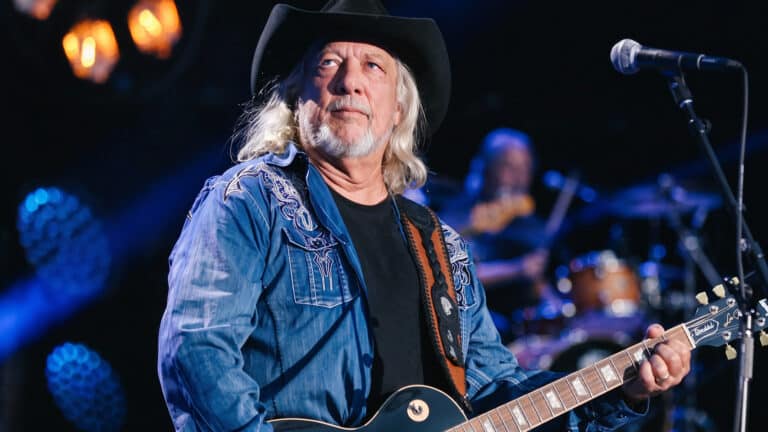
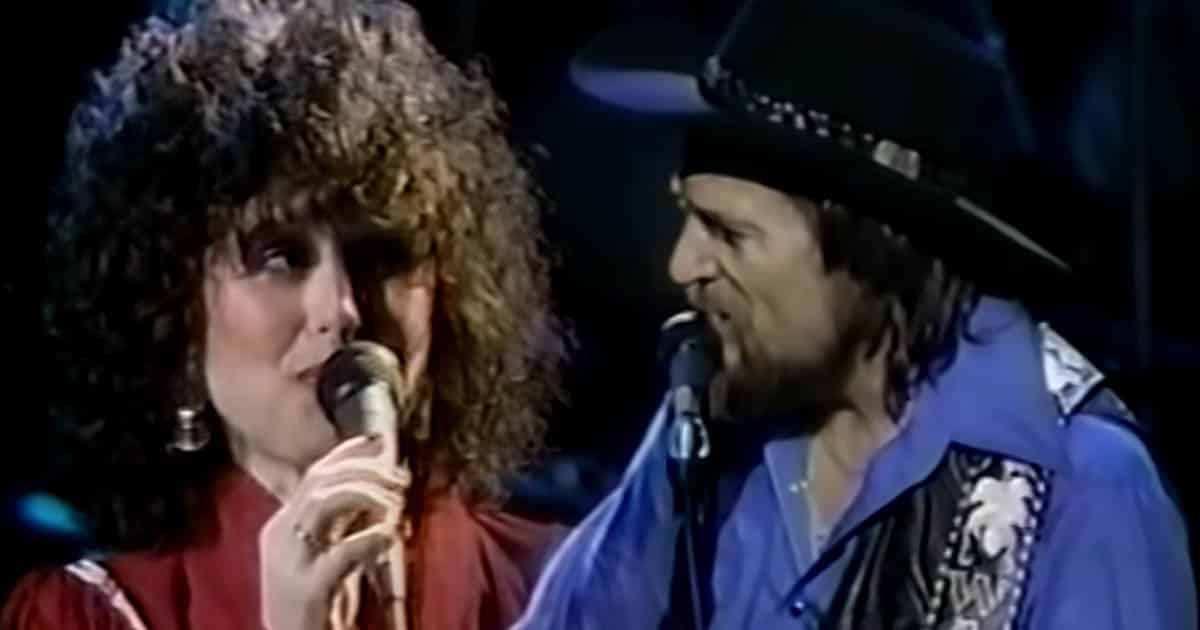
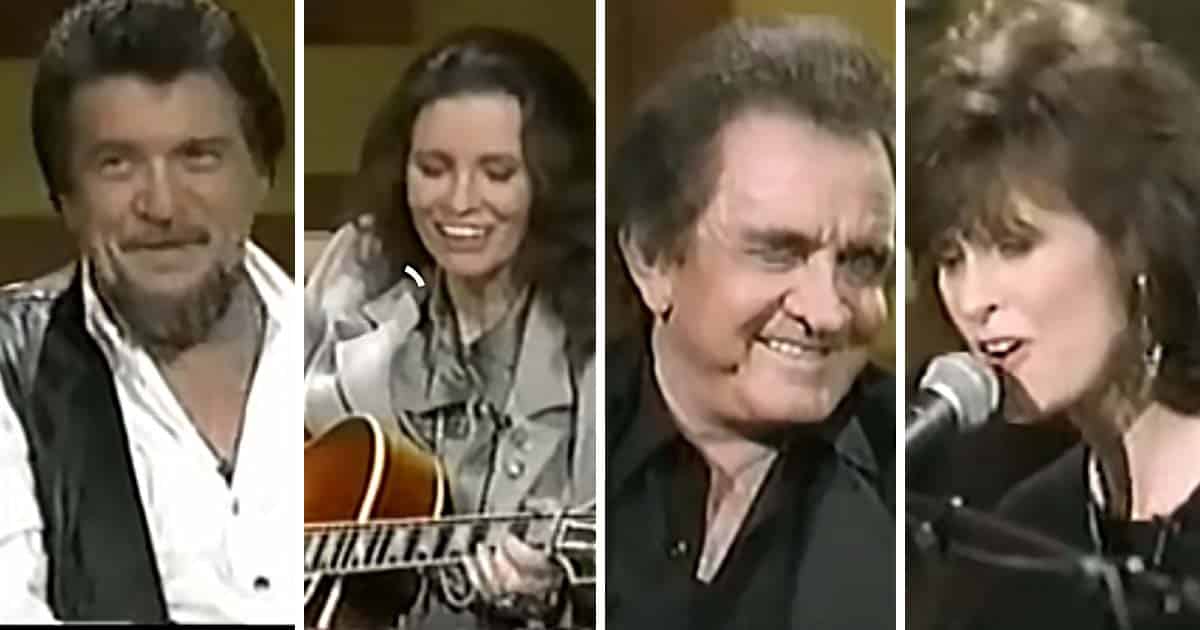
With his wife Jessi Colter by his side and heavy hitters like John Anderson, Travis Tritt, and Montgomery Gentry joining him onstage, Waylon delivered a show that was part celebration, part sermon, and pure country gold. He tore through classics like “Good Hearted Woman,” “I’ve Always Been Cr𝐚zy,” and “I’m a Ramblin’ Man,” reminding every soul in that room why he was a pioneer. He even threw down on “Never Say Die,” the song that would become the concert’s namesake because no other phrase could have summed up Waylon Jennings more perfectly.
At one point, he addressed the crowd with a wry grin, sitting on his stool and saying, “Y’all don’t worry about me. I can still kick ass. You’ve just got to bring them up here.” That was vintage Waylon. He was humble, sharp, and fearless. He was not pretending to be the same man he was in 1975, but he was also not asking for sympathy. He just wanted to play music. Real music.
And play he did.
For You
He covered “Suspicious Minds,” “The Weight,” and “Can’t You See” like a man who still had stories to tell. This was not just a greatest hits parade. This was a living legend, surrounded by friends, singing what mattered with everything he had left in the tank.
After that night, the performances slowed, and the silence crept in. In 2001, Waylon lost his left foot to diabetes. By February 2002, he was gone. But that show at the Ryman was not a farewell tour. It was a statement. A defiant stand. A master at work proving that even when the body starts to give out, the soul can still light up a stage.
Waylon Jennings did not ask for applause. He never begged for tributes. But that night at the Ryman, his last real stand, was country music history in motion. We have not seen anything quite like it since, and maybe we never will.
Because when Waylon walked off that stage, a piece of country’s wild heart went with him. And music has been a little quieter ever since.

Know someone who loves Waylon Jennings?
Pass this story along to your friends and family on Facebook.