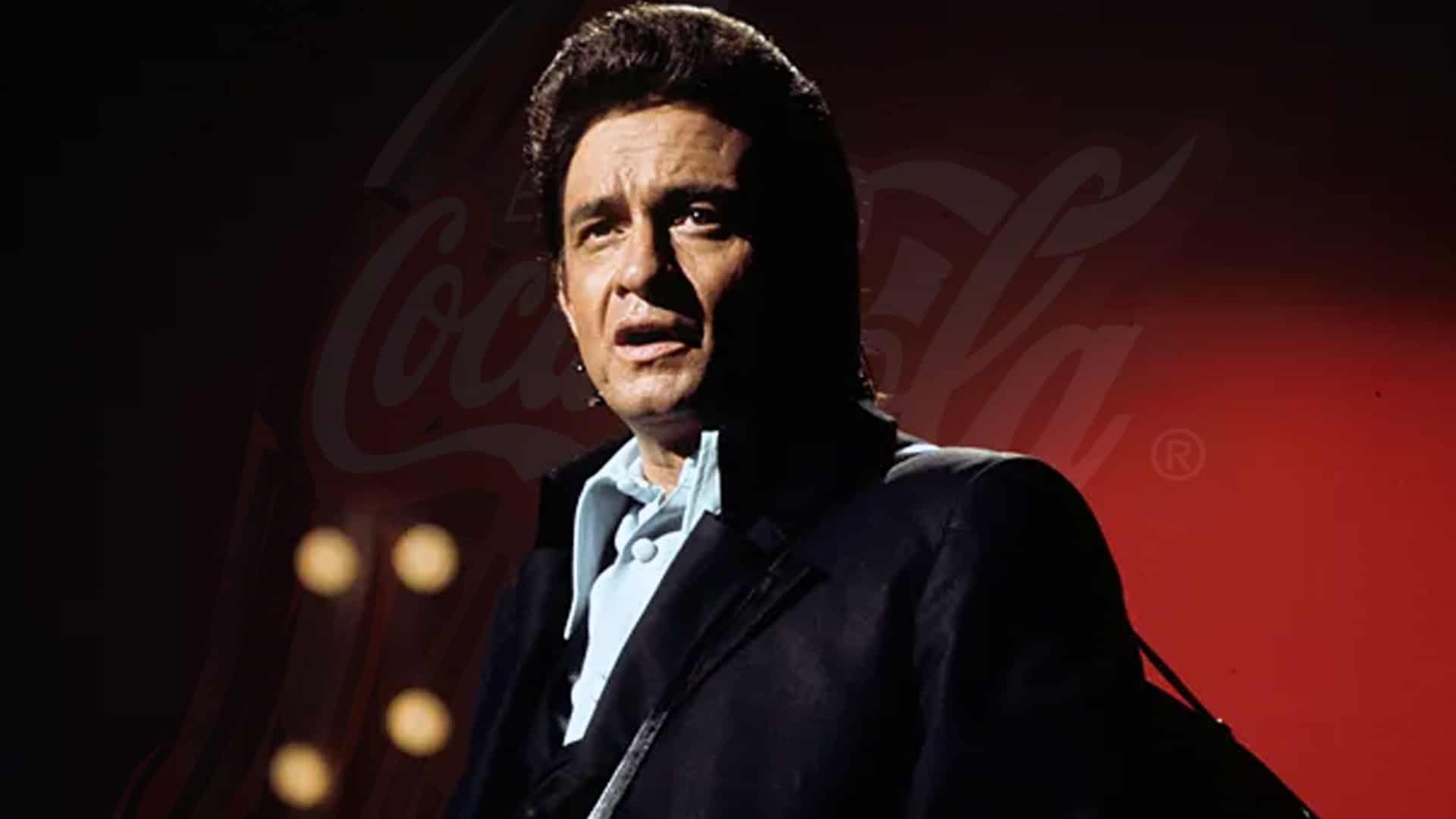


The Man in Black just showed up in court papers.
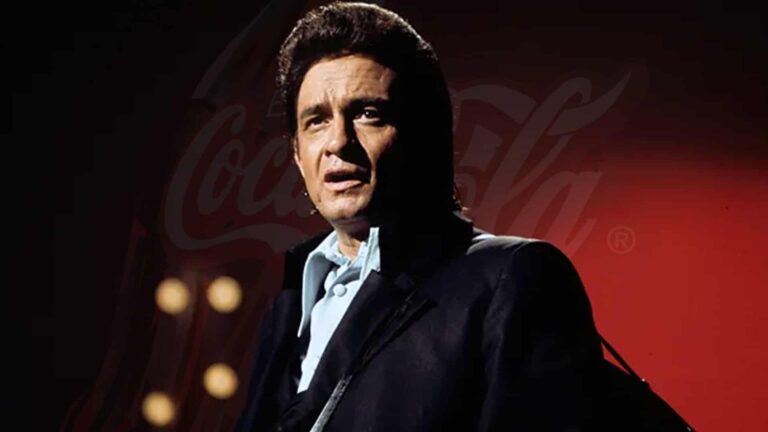
Coca-Cola rolled a college football spot called “Fan Work Is Thirsty Work,” that sure sounded like Johnny Cash to a lot of ears. The Cash estate says that is exactly the problem. They did not sign off, and they did not get paid, yet millions heard a deep baritone that felt like it came straight from Sun Studio. That is how you end up in a Tennessee courtroom.
Here is the claim. The John R. Cash Revocable Trust filed suit in Nashville under Tennessee’s new ELVIS Act, which took effect this summer and protects a person’s voice from commercial use without consent. The filing says Coca-Cola used a tribute singer who mimicked Cash so closely that ordinary folks believed the ad featured the man himself. The estate says that is not clever marketing. That is a line you do not cross.
Their lawyer put it in plain English. Coca-Cola is pirating Johnny Cash’s voice to enrich itself without permission or compensation. Then he added the line that cuts to the bone. Stealing the voice of an artist is theft. It is theft of his integrity, his identity, and his humanity. One word. Amen.
The estate is asking the court to pull the ad and to award damages. They also dropped receipts from social posts where people said the singer sounded just like Cash. If you heard the first bars, you probably thought the same thing. It hits like a lost Tennessee Three cut. And that is exactly why this case matters.
RELATED: Pepsi vs. Coke: The Real Differences Behind the Cola Wars
Coke has not laid everything out in public, yet a longtime Cash tribute artist named Shawn Barker did sing on the session, according to his camp. His manager told reporters they were thrilled to be asked and that Barker has spent two decades honoring Cash’s music on stages around the world. Credit where it is due. Barker has the tone, the phrasing, the gravel. That is the job. The trouble starts when a brand leans on that sound to sell sugar water while the family says nobody asked.
There is a bigger beat under this, too. Nashville just passed the ELVIS Act because voices are being cloned, copied, and scraped more than ever. Labels have papers for names and faces. Now the state says a voice deserves the same fence line. If a fifteen-second baritone can be dropped into a national ad and shrugged off as parody, then every legend is one pitch away from being used without a handshake or a check.
For You
The Cash estate points out that they have licensed Johnny’s voice only a couple of times since 2003, both for Super Bowl spots. They know the value of that baritone. They guard it like family land. And they want the court to say the rules still matter, even when the ad is catchy and the game-day vibes are high.
Coke has a deep history of paying for real endorsements, and they know better. Which is why this feels less like an oops and more like a gamble. Hire a soundalike. Grab the sentiment. Hope nobody pushes back. Timing-wise, it lands right after a run of AI-flavored ads that already had folks side-eyeing Madison Avenue. That dog will not hunt in Tennessee now that the law locks the gate.
None of this means tribute singers cannot do what they do. There is plenty of room for loving homages and sold-out theater tours. There is a difference between a stage show that celebrates a legend and a national commercial that leans on a legend’s voice to move cases of cola while the heirs say no. One honors the legacy. The other borrows the halo to sell a product.
You do not have to be a lawyer to hear the heart of this one. Johnny Cash built a life and a voice that still shakes glass. The family believes a corporation tried to rent that feeling for free. Country music runs on respect and permission. You ask. You pay. You say thank you. That is the code.
The court will sort the paperwork and the damages. The principle is already loud. If it sounds like Johnny Cash, then it better come with a license or a yes from his people. Otherwise, you are not just playing with fire. You are playing with the Man in Black. And that never ends pretty.
Know someone who loves Johnny Cash?
Pass this story along to your friends and family on Facebook.