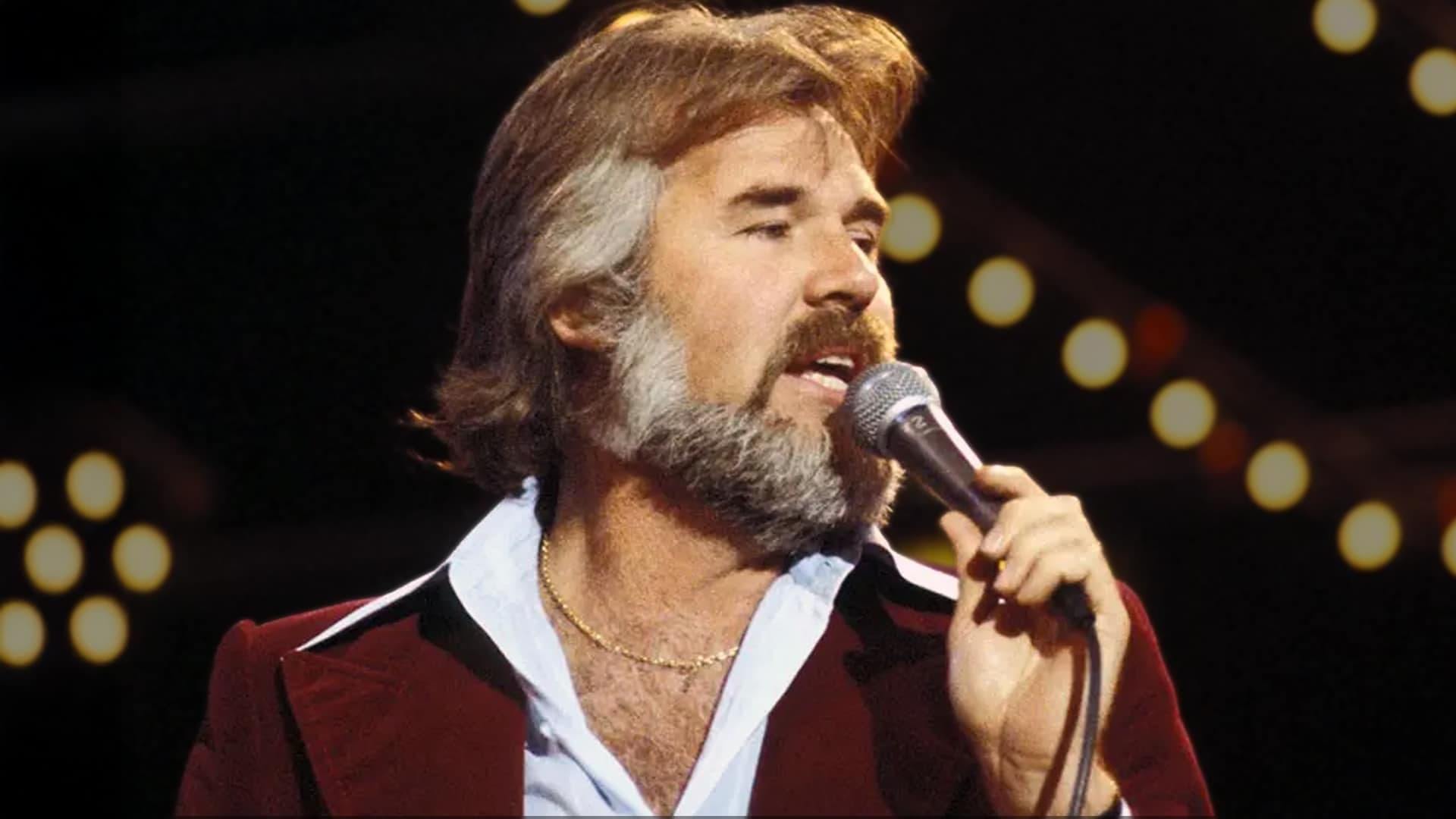


Some songs build a career, and some songs build a legend, and “The Gambler” handed Kenny Rogers both on a silver platter.
When Kenny Rogers released “The Gambler” in November of 1978, he had no idea he was about to land the defining hit of his life. The irony is that he was not even the first to record it. In fact, the song had been floating around Nashville for two years, collecting rejection slips and lukewarm shrugs until it finally found the voice bold enough to bring it to life.
The story starts with Don Schlitz, a young songwriter working the graveyard shift as a computer operator while trying to survive in Nashville. One night, after visiting his mentor Bob McDill, Schlitz walked home with an idea swirling in his head. In that twenty-minute walk, he wrote most of “The Gambler” without even touching a guitar. He still did not have a final verse, and he spent six weeks wrestling with the ending. Eventually, he decided the gambler’s death would be implied rather than stated, giving the story its quiet punch.
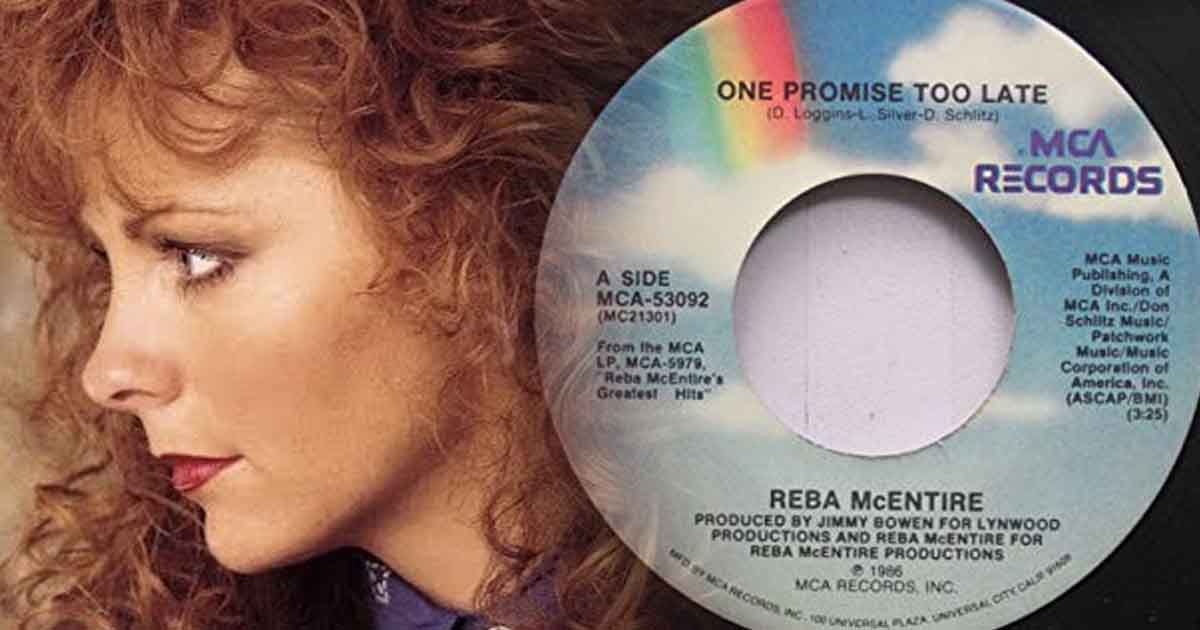
But when Schlitz started pitching it, nobody bit. The unusual structure threw people off, and the life lesson wrapped in poker metaphors seemed too strange for the radio. Bobby Bare finally recorded it in April 1978, yet his version lacked the spark the song needed and never became a single. Schlitz even recorded it himself, landing at number sixty-five before fading away. The song needed a storyteller with presence, pacing, and that gravelly grit. It needed Kenny Rogers.
The song landed in the hands of producer Larry Butler, who was recording new albums with both Rogers and Johnny Cash at the same time. Butler cut the song with both men, but the two sessions could not have been more different. Cash arrived distracted and under the haze of a well-known battle with drugs. He did not like the song, he argued with Butler, and he gave a flat, half-spoken performance. The final cut felt hollow. Fans barely remember Cash ever recorded it.
Rogers walked into the studio with a completely different energy. He understood the song instantly. It played like a movie in his head. He leaned into the tension, the rhythm, the rise and fall of a conversation between strangers on a train rolling into darkness. Butler added a subtle modulation before the second verse and a dramatic breakdown that made the story feel alive. When Rogers delivered the lines “You’ve got to know when to hold ’em, know when to fold ’em,” it sounded like wisdom earned the hard way. Suddenly, the song clicked into something unforgettable.


For You
When Butler chose which version to release, the choice was obvious. Rogers’ recording dropped on November 15, 1978, as the lead single from his new album, and it exploded. It hit number one on the country chart, number three on adult contemporary, and number sixteen on the Billboard Hot 100. Rogers earned a Grammy for Best Country Vocal Performance, Male, and Schlitz won a Grammy for Country Song of the Year. The album itself earned an Album of the Year nomination, and the track became a cultural landmark.
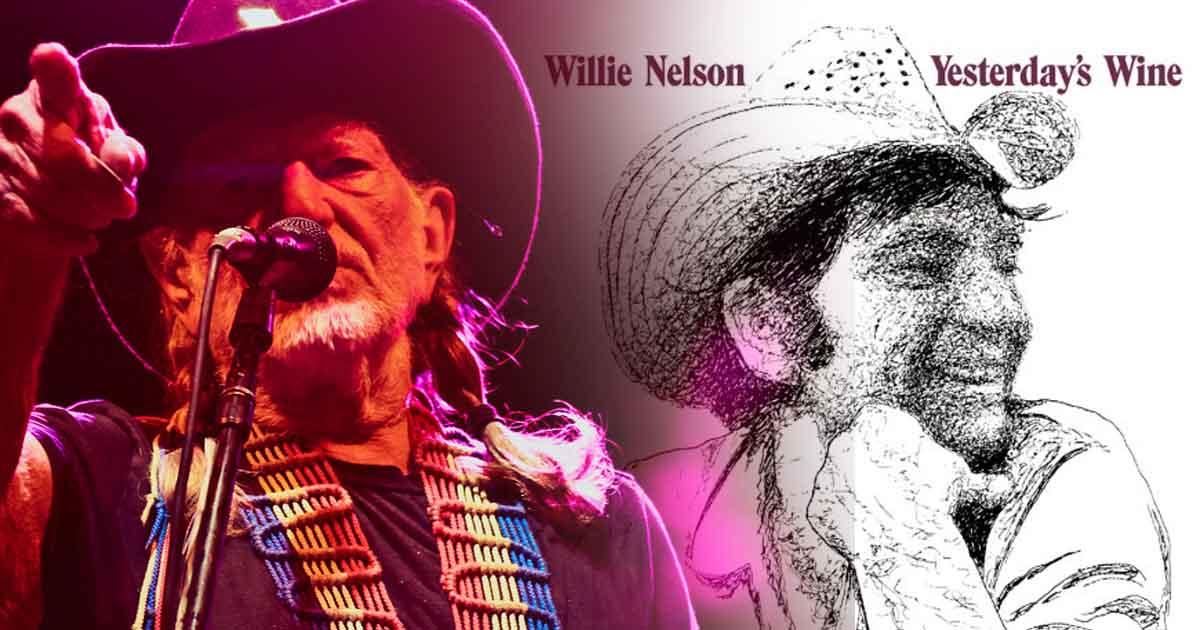
Yet one of the wildest details is that Rogers nearly gave the song away. He once played it for Willie Nelson and begged him to record it. Willie turned it down because he was already singing “Red Headed Stranger” every night, and he did not want to add another long narrative song to his setlist. Willie laughed years later and said, “I told him it was a great song, but I wasn’t gonna do it. So he said he would record it himself, and he did.”
Rogers went on to turn “The Gambler” into a franchise, starring in a string of TV movies that brought the gambler’s world to life. The song eventually landed in the National Recording Registry as culturally significant, a rare honor that only the most iconic recordings ever receive.
The truth is, “The Gambler” became bigger than a hit record. It became advice for life, a mantra at poker tables, a pop culture staple, a sports anthem, a campfire classic, and the song that sealed Rogers’ legacy.
Sometimes the right song just needs the right voice. And on that night in 1978, Kenny Rogers became the gambler America never knew it needed.