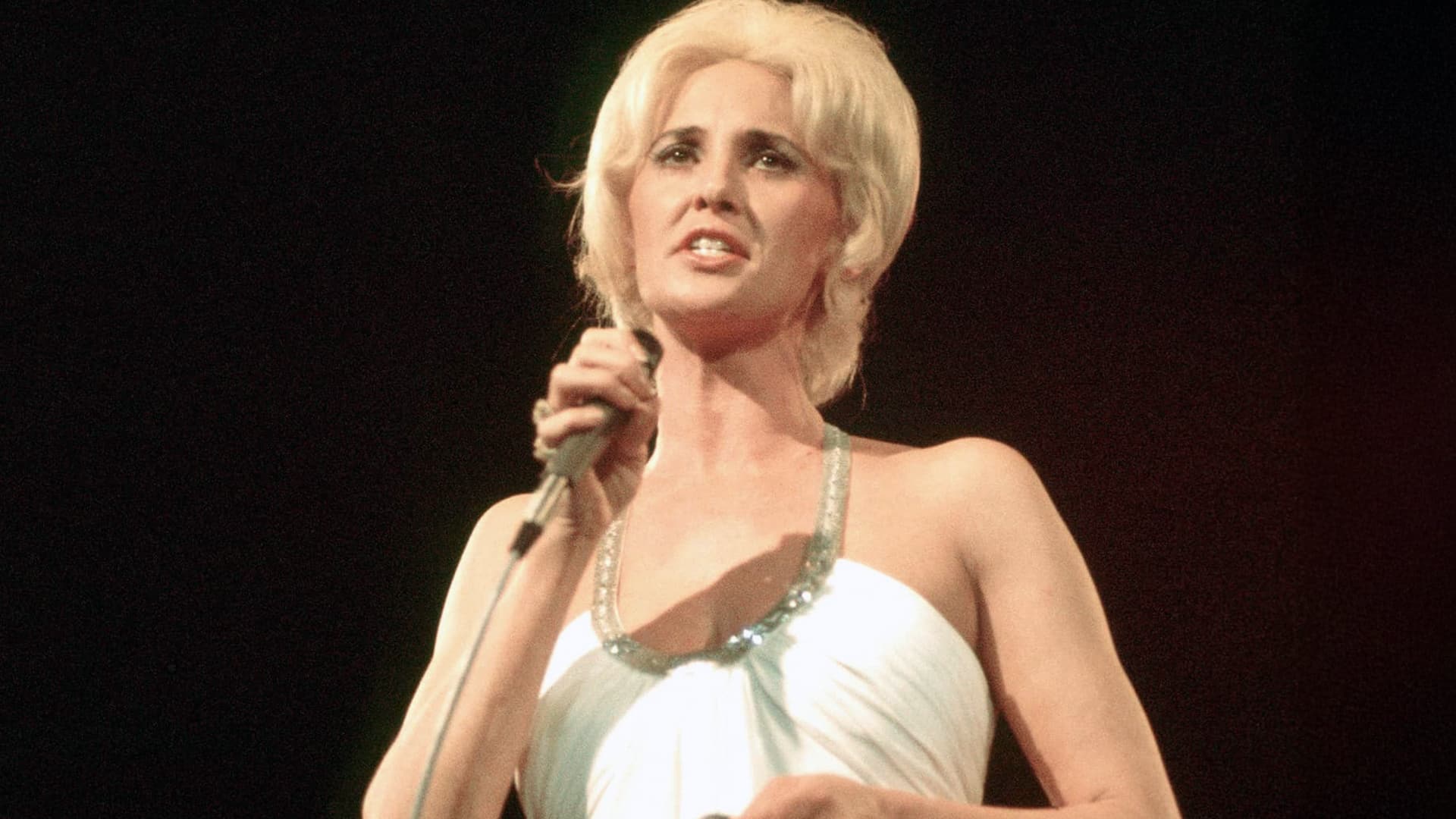


Tammy Wynette never set out to shake the table. She just wanted to sing a pretty love song.
When she co-wrote “Stand By Your Man” with Billy Sherrill back in 1968, it was meant to be simple. They cranked it out in under twenty minutes while studio musicians were on a break. It was supposed to be just another track for her next album. But what came out of that session did not just change her career. It lit a fuse that burned for decades.
At the time, Tammy Wynette had been through two divorces and was barely stepping into her now-legendary relationship with George Jones. She was not exactly someone people expected to write a song that sounded like advice for women to just grin and bear it. And she sure did not expect to get caught in the crosshairs of a cultural revolution. That is exactly what happened.
The lyrics were clear to Tammy. Love is messy, men screw up, and forgiveness is a choice you make because of love, not because you are weak. But some listeners did not hear it that way. Feminist groups focused on one line in particular, “after all, he’s just a man,” calling it outdated and harmful. They believed it told women to stay silent in bad marriages, and that message spread fast.
The controversy only grew when Epic Records leaned into the chaos and promoted the single with a tagline that said it was Tammy Wynette’s answer to women’s lib. From there, it was out of her hands. The public had their pitchforks, and Tammy had to stand by a song she wrote on a whim for the rest of her life.
And she did.
Even though her own husband at the time did not like it. When Tammy brought the demo home and played it for George, he brushed it off, not even knowing his wife had written it. That moment stuck with her, and not in a good way. She already lacked confidence in her writing and now had to fight both her husband and the outside world to defend a melody she had not been sure about in the first place.



For You
Still, Billy Sherrill believed in it and pushed for the release. And the rest is history. The song shot to Number One on the country charts, crossed over to the Billboard Hot 100, and even topped the UK charts seven years later. It won her a Grammy. It was inducted into the Grammy Hall of Fame. The Library of Congress added it to the National Recording Registry. And CMT named it the number one country song of all time.
Even with all that, Tammy spent decades explaining herself. In interview after interview, she repeated the same thing with steady conviction. She never meant it as a political statement. She had five daughters and would never write anything that made women feel small. She believed in love, in loyalty, and in staying when it was worth it.
In 1992, when Hillary Clinton dismissed the phrase “stand by your man,” Tammy did not stay quiet. She fired back, saying Clinton had insulted every woman who ever connected to the song and every country fan who had lived it. Clinton later apologized to Tammy directly.
Still, Tammy never backed down. She wrote what she felt and stood by her work. She knew it meant more than people gave it credit for.
“Stand By Your Man” started as a quick studio song, but it became a cultural marker. A song that sparked debate. A song people fought over and cried to. A song that carved Tammy Wynette’s name into country music history.
And all she really wanted was to sing a love song.