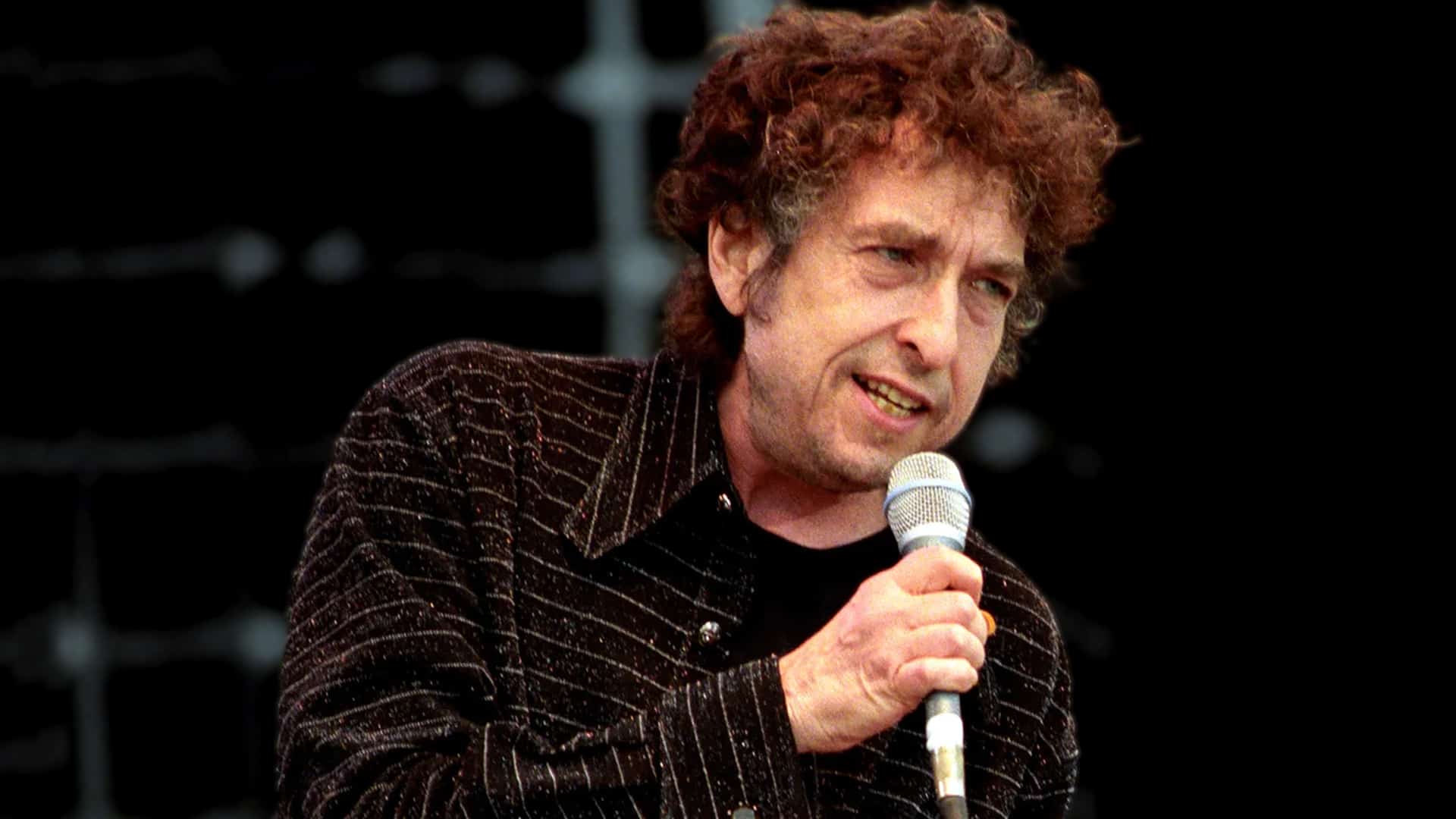


Long before Bob Dylan became the voice of a generation, he was just a scrappy kid with a guitar hanging around the Greenwich Village folk scene. And if there was one man who saw it all firsthand and was not afraid to call it like it was, it was folk legend Dave Van Ronk.
Van Ronk was not just some sideline critic. He was the backbone of the New York folk revival, the guy every serious picker wanted to learn from or at least impress. They called him the Mayor of MacDougal Street, and it was not just a nickname. It was a badge earned in smoky coffeehouses, endless jam sessions, and all-night debates about Woody Guthrie and the blues. But when it came to young Bob Dylan, Van Ronk was not all applause. In fact, he was one of the first to throw some serious shade on Dylan’s early rise.
RELATED: When Bob Dylan Went Country During Chaos and Somehow Everyone Still Loved It
Dylan might be a songwriting genius, but Van Ronk once said the kid could not acquire anything except by stealing it. And he was not speaking in metaphors.
It all blew up when Dylan lifted Van Ronk’s arrangement of “House of the Rising Sun” and put it on his 1962 debut album without even asking. This was a song Van Ronk had been perfecting for years with a haunting, descending bass line on the guitar that gave the traditional tune new teeth. Dylan loved it. He watched. He listened. Then he ran off to the studio and recorded it.
Van Ronk was stunned. The guy had barely unpacked his guitar case when he heard Dylan’s version had already dropped. In his own words, he said the theft was very, very annoying, and that is probably putting it politely.
RELATED: Bob Dylan and Willie Nelson Bring Outlaw Energy to Jones Beach With Wilco and Lucinda Williams



For You
That was not the end of it. In the biography Down the Highway, Van Ronk pulled the curtain back even further, calling Dylan unteachable and saying he had to reinvent the wheel every time he picked up a guitar. No matter how many seasoned musicians tried to show him fingerpicking, Dylan just stared blankly, learned nothing, then re-emerged with some mangled version that somehow worked.
“He just seemed to be impervious,” Van Ronk recalled. “He had to work it out for himself and he did eventually. He became a reasonably good finger picker. But I cannot claim any credit for it.”
That is classic Dylan. Always off the beaten path. Always refusing to play by the rules. Somehow, he still rewrote the rulebook.
RELATED: Netflix Releases Trailer for New Bob Dylan Documentary
To be fair, Dylan’s unapologetic style is part of what made him iconic. He was not trying to win friends or make nice with the old guard. He was there to shake things up. As Picasso once said, good artists copy while great artists steal. Dylan stole from Van Ronk, made it his own, and changed the game.
Still, Van Ronk’s frustration was more than justified. The man poured years of soul into his craft, only to see his arrangement go global without his name attached. And while Dylan might have gone on to win Nobel Prizes and play sold-out arenas, folk purists never forgot where some of those roots really came from.
So next time you hear “House of the Rising Sun” or watch Dylan strum through an off-kilter acoustic set, remember the man behind the curtain. Dave Van Ronk was the folk godfather who called it how he saw it and never let the truth get drowned out by the myth.