

Twenty-two years without country music on the biggest stage in America is one hell of a drought.
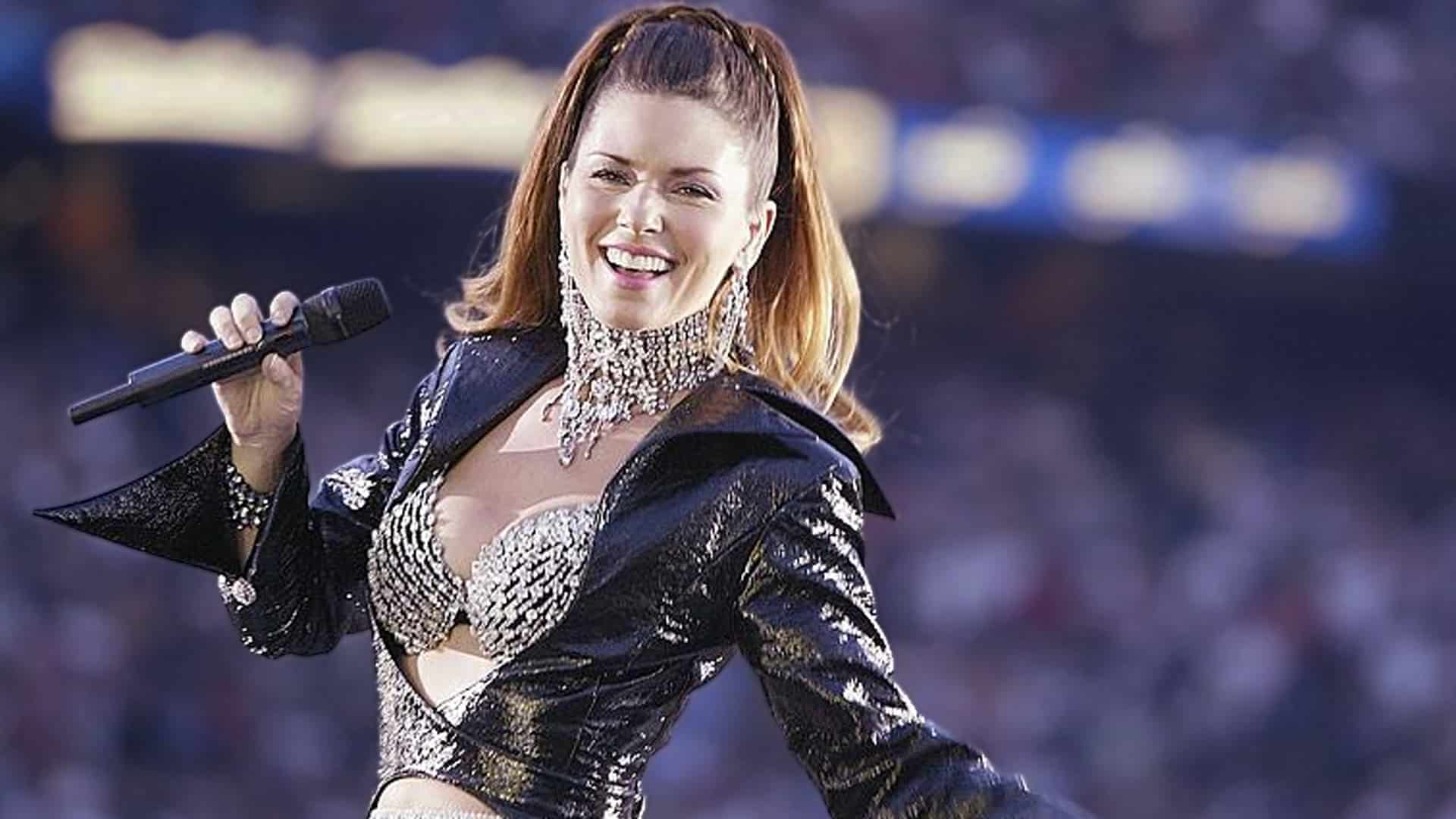
Back in 2003, Shania Twain strutted into San Diego’s Qualcomm Stadium in thigh-high boots and a jewel-covered outfit, kicking off the Super Bowl XXXVII halftime show with “Man! I Feel Like a Woman!” and then rolling into “Up!”. She was joined by No Doubt and Sting to round out the bill, but Shania was the lone representative of country music. That was the last time the genre touched halftime, and fans have been waiting ever since.
The NFL calls it the biggest stage in entertainment, and every year, more than 100 million people tune in. Artists who land the gig usually see their record sales skyrocket, and Shania’s “Up!” album saw a 41% sales bump after her set, which proved country can pull numbers right alongside pop and hip hop. Yet after her, the door slammed shut.
It is not as though country has never proven it can carry the show. Almost a decade before Shania, the NFL put together the one and only all-country halftime show at Super Bowl XXVIII in Atlanta. Clint Black, Tanya Tucker, Travis Tritt, and Wynonna Judd lit up the Georgia Dome, and Naomi Judd even made a surprise appearance to join Wynonna for “Love Can Build a Bridge”. Fans still talk about that 1994 performance as one of the genre’s proudest Super Bowl moments.
So why the drought? Part of it comes down to the NFL’s obsession with global appeal. Halftime shows are booked not just to please American football fans but also to capture worldwide attention. That is why the lineup has been stacked with names like Rihanna, Usher, Beyoncé, and now Bad Bunny, who is already locked in for 2026. The league wants stars with massive streaming numbers in every corner of the globe. Country music may dominate the U.S. charts, but executives seem convinced it does not travel well overseas.
For You
Another reason is production value. Modern halftime shows are built around spectacle with fireworks, pyrotechnics, dozens of dancers, and elaborate sets that transform a stadium in minutes. Country music, on the other hand, is more about the songs than the smoke machines. To NFL execs, it might feel like a risk to bet halftime on a performer who would rather strum an acoustic guitar than fly across the stadium on a harness.
The NFL is underestimating country’s staying power. Right now, the genre is hotter than it has been in decades. Morgan Wallen, Zach Bryan, Lainey Wilson, and Chris Stapleton are not just country stars because they are cultural heavyweights dominating streaming charts and selling out NFL stadiums on their own. The audience is massive and passionate, and it aligns perfectly with football’s core demographic.
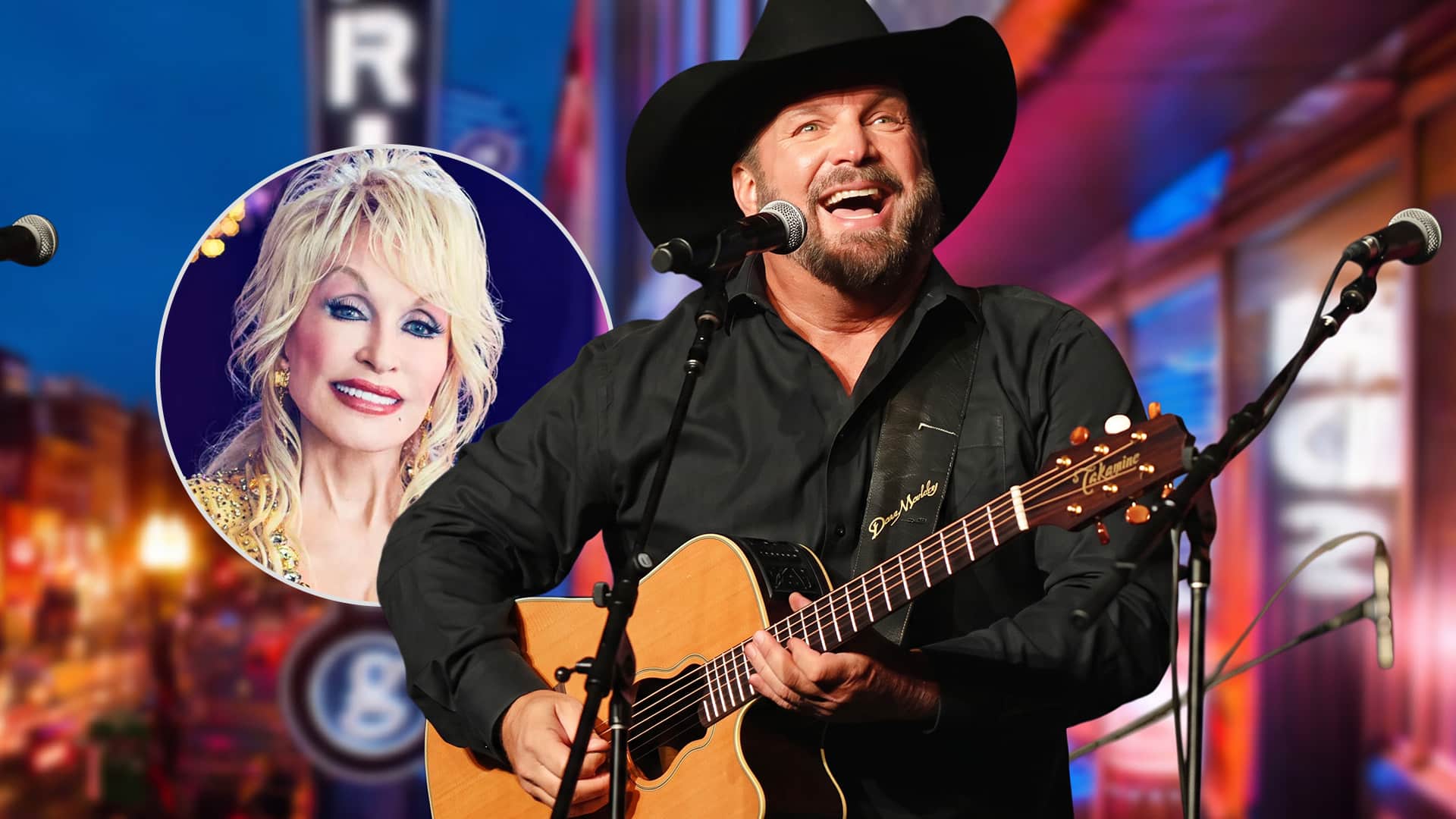
The question is not whether country can hold the stage. The real question is how long the NFL can keep ignoring it. If they want fireworks, Luke Combs has football anthems ready to tear the roof off. If they want a global name with crossover appeal, Morgan Wallen and Post Malone could easily tag team a set. If they want icons, George Strait or Dolly Parton could deliver legendary moments that would put other halftime shows to shame.
Fans know it, artists know it, and even the numbers prove it. Country music has been locked out of halftime for 22 years, and that is one of the most glaring oversights in Super Bowl history. Shania showed the world in 2003 that country could shine on the biggest stage in sports, and it is high time the NFL lets someone else pick up that torch.
Because football and country music are America’s twin religions, and there is no better place to bring them together than under the lights at the Super Bowl.