

Sometimes, country music history gets made the hard way.
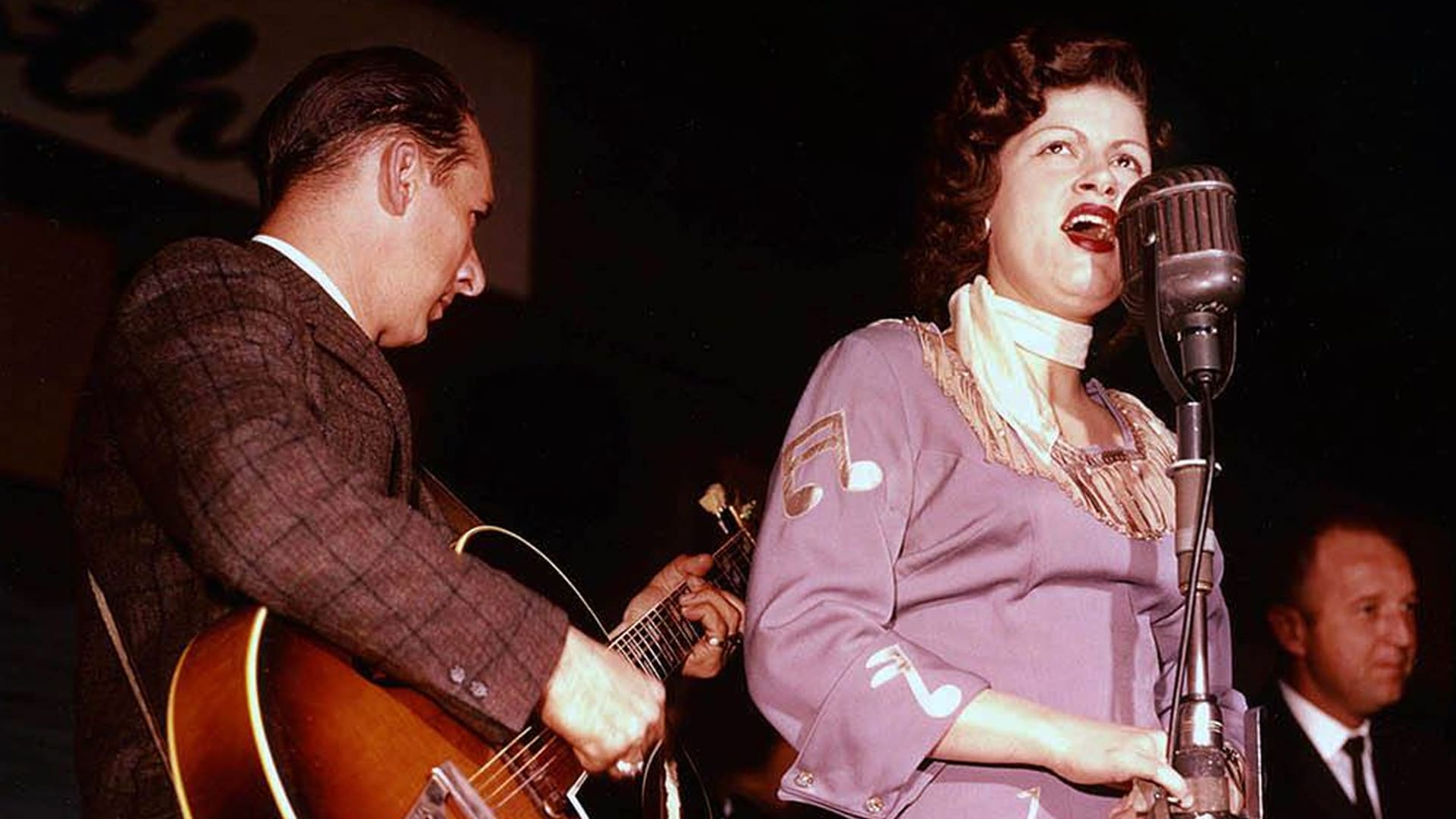
Sixty-nine years ago today, Patsy Cline walked onto national television scared to death, backed into a corner, and one applause meter away from giving up on the whole dream.
It was January 21, 1957, and the future queen of country was standing in New York City on Arthur Godfrey’s Talent Scouts, a show that could change your life in one night or swallow you whole and forget your name by Tuesday morning. Patsy was only 25, but she had already lived a lifetime of grind. Church choir roots in Winchester, Virginia. Radio gigs. Juke joints. Opry appearances. Nashville recording sessions. And still nothing stuck.
This was not just another performance.
This was her last good shot.
Patsy did not even get there the “proper” way, either. Her mama, Hilda, basically pulled a little country mom magic and pretended to be her manager so they could get on the show in the first place. The rules did not want family members acting as scouts, but Hilda and Patsy slid right through since their last names were different. That is the kind of move that comes from desperation and belief, all wrapped up in one.
And then came the part that would have made a lot of singers turn around and walk out.
Patsy had picked a different song.
She wanted to sing “A Poor Man’s Roses (Or a Rich Man’s Gold).” That was her choice. That was her comfort zone. But the show’s producer, Janette Davis, had other plans. Davis pushed her toward “Walkin’ After Midnight” instead, and Patsy initially refused to sing it before finally agreeing.
Think about that.
One of the biggest voices country music has ever known almost did not sing the song that launched her into the stratosphere.
And just to make the night even more uncomfortable, Janette Davis did not just pick the song. She picked the look too. Patsy showed up ready to be Patsy, wearing a cowgirl outfit her mama had made for her. But Davis wanted her in a cocktail dress instead, so she would look more like a mainstream TV star than a country act.
So there she was.
A country singer in a city that did not know her name. Wearing a dress she did not choose. Singing a song she did not even want.
And still, she walked out and did the thing anyway.
That is what people forget about legends. They were not born on top of the mountain. They crawled there, sometimes mad as hell about it.
For You
When Patsy started singing “Walkin’ After Midnight,” something snapped into place. That deep, steady voice hit the room like a warm front rolling in. It was smooth, but it was not soft. It was classy, but it still had grit under the fingernails.
And the audience went n𝐮ts.
So nuts that Arthur Godfrey himself told her, “Don’t go away, Patsy, honey. You done won this.”
That line still gives chills.
That was the moment the whole country realized what Nashville had been sleeping on. Patsy did not just win the contest. She won the right to be heard.
The wild part is, “Walkin’ After Midnight” was not even built as a country song. It had pop bones. It had crossover blood in it. And in the middle of the 1950s, when rock and roll was chewing up the charts and spitting out the leftovers, country music was trying to figure out how to survive. The sound was changing. The look was changing. The whole industry was trying to polish itself up just enough to stay in the room.
And Patsy Cline, whether she liked it or not that night, became the blueprint.
She proved a country woman could walk into the mainstream without losing her soul.
She proved a voice could be powerful without being loud.
And she proved that sometimes the song you do not want ends up being the one that saves you.
That is the part nobody gets to rewrite.
Because 69 years later, “Walkin’ After Midnight” is not just a hit.
It is a country landmark.
And Patsy Cline, standing there in that dress, showed the world exactly what happens when raw talent meets one last chance.
She did not choose the setup.
She just chose to win anyway.