

Sometimes the song that changes everything is the one nobody else wanted.
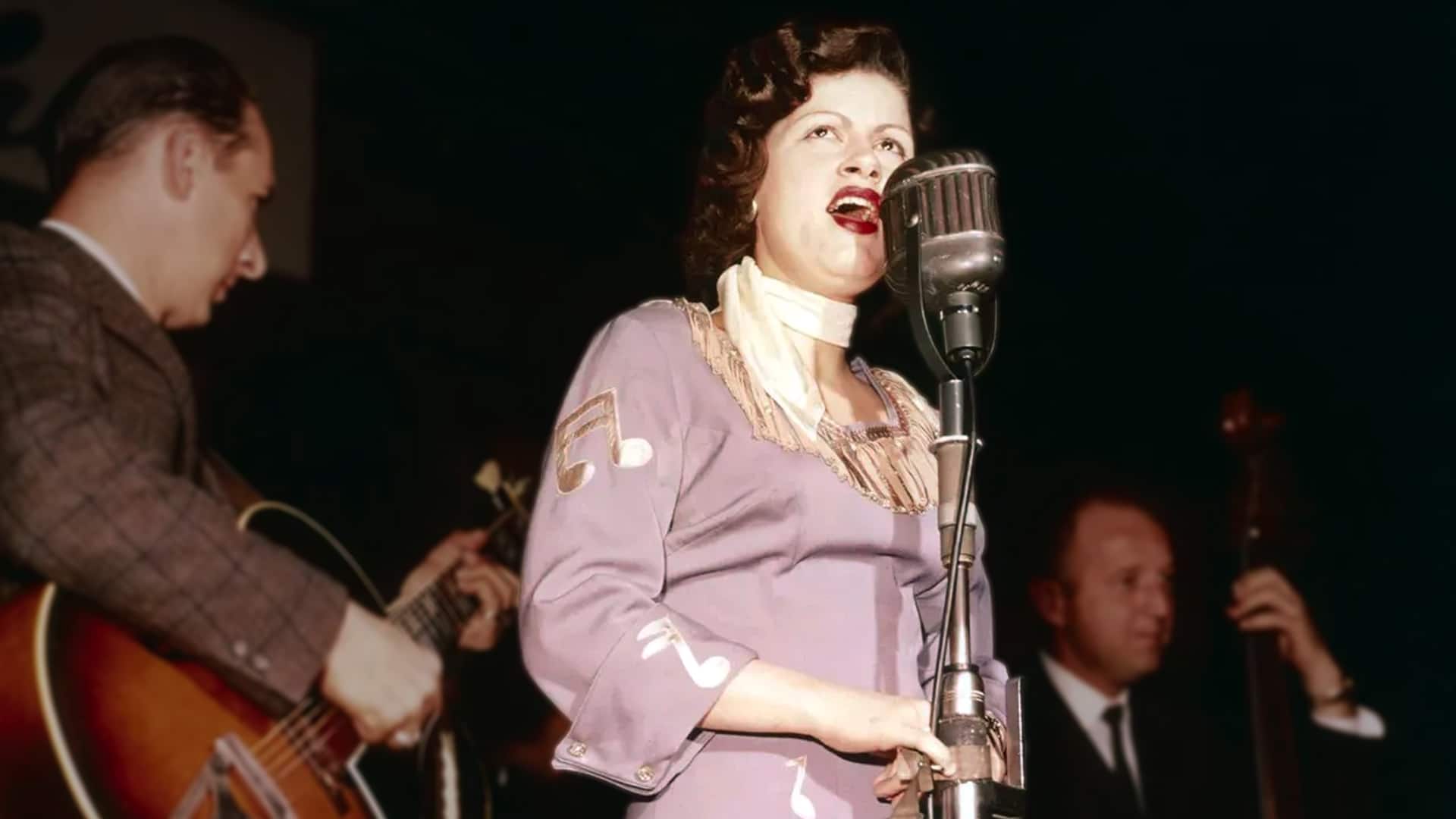
There is a reason Patsy Cline still sits high on the mountain of country legends. She did not just make timeless music. She helped turn country into a commercial powerhouse, laying the groundwork for everything Nashville would become. But before she was a trailblazer, she was a young artist with doubts. That all changed on November 16, 1960, when she walked into Decca Records in Nashville to record a song that had already been passed over by several stars. That song was “I Fall to Pieces.”
By that time, Cline had made waves with “Walkin’ After Midnight” but had not quite locked down her place as a superstar. “I Fall to Pieces” was written by Hank Cochran and Harlan Howard, two men who had a knack for crafting songs that stuck to your ribs and hit you right in the gut. Their lyrics were raw and real, often written from experience, and sometimes just from a place of knowing how life can knock you sideways. The two had teamed up to create something special. Even if a few others could not see it, Cline’s producer, Owen Bradley, believed the song could be big.
The track had already been rejected by Roy Drusky and Brenda Lee. Cline herself was unsure. The song leaned heavily into a pop arrangement, which clashed with her traditional country leanings. But in the end, she gave it a go. Backed by the Jordanaires and guided by Bradley’s production, Cline turned a doubtful session into something unforgettable. She captured heartbreak with a grace that few ever have.

For You
The result was more than just another hit. When “I Fall to Pieces” was released on January 30, 1961, it became her first number one on the Billboard Hot Country Songs chart and crossed over to peak at number 12 on the Billboard Hot 100. That was a major milestone at the time, and it made Cline one of the first country artists to break into pop radio without losing her roots. This was not just a win for Patsy. It was a turning point for country music as a whole.
Cochran and Howard were just getting started. Harlan Howard would later coin the phrase “three chords and the truth,” which pretty much became the unofficial motto of country songwriting. He and Cochran each wrote other hits for Cline as well. Cochran wrote “She’s Got You,” which became another number one hit. Howard was behind “Why Can’t He Be You,” “He Called Me Baby,” and “Shoes.” Together and separately, their fingerprints are all over some of the greatest songs in country music history. George Strait, Waylon Jennings, Eddy Arnold, and Charlie Rich all cut tracks written by the pair. These guys were not just writers. They were architects of a sound that balanced honesty with poetry.
Their collaboration with Cline on “I Fall to Pieces” stands as one of the most impactful in country music. It did not just give her career a boost. It also proved that songs with heart and vulnerability could carry real weight with audiences outside the genre. That single recording session lit a fire that still burns in country music today.
Sometimes all it takes is the right voice and the right words at the right time. On that November day in 1960, Patsy Cline took a risk on a song that others had turned down. With the help of two scrappy songwriters and a producer who saw the potential, she gave the world a track that still makes folks tear up and hit replay. That is the magic of country music. That is the kind of moment that built Nashville. And that is exactly why we are still talking about it all these years later.