

It was supposed to be a tribute. The crowd had other plans.
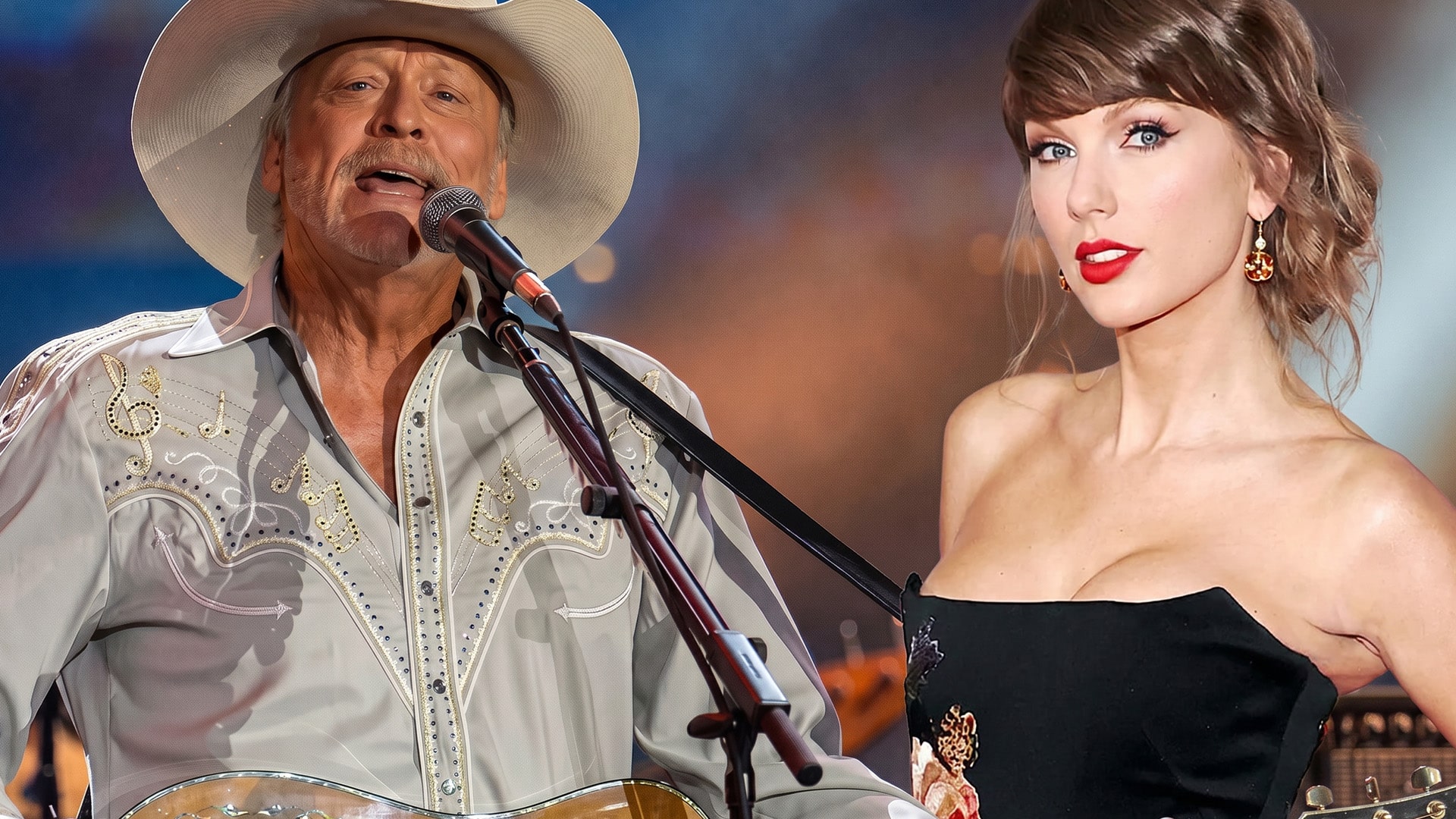
Right before Alan Jackson took the stage at his farewell concert at Nissan Stadium on June 27, Grand Ole Opry announcer Kelly Sutton told the crowd, “We have one more video.” When Taylor Swift‘s face appeared on the stadium screens, loud boos erupted from sections of the crowd, nearly drowning out the beginning of her message.
Cheers were also heard from other parts of the stadium, but the boos were loud enough that Swift’s words were “barely audible” as the reaction echoed through the venue.
“Hey Alan, it’s Taylor. I just wanted to say thank you for your decades of unbelievable songwriting and your performances and the ways that you’ve given so much to us, the fans,” Swift said in the recording. She called “Drive” her favorite Alan Jackson song, saying its personal storytelling was “an example that was so good for me to see at a young age.”
“I appreciate you so much for the ways that you have just treated me and other artists and writers with such support and encouragement over the years,” she added.
Other Video Tributes Received a Very Different Response
Throughout the evening, video messages from artists who couldn’t attend in person played on the stadium screens. Keith Urban, Zac Brown, Kenny Chesney, and NASCAR drivers Jeff Gordon and Dale Earnhardt Jr. all appeared in pre-recorded tributes. None of them received the same reaction Swift did.

For You
The contrast was hard to miss. Every other video tribute was met with applause. Swift’s was met with a stadium split down the middle.
As we covered in our full recap, the four-hour farewell brought together some of the biggest names in country music. Carrie Underwood, Eric Church, Luke Combs, George Strait, Lainey Wilson, Miranda Lambert, Cody Johnson, Riley Green, and many others performed live tributes and shared personal stories about what Jackson meant to them. Jackson himself told the crowd, “I’m not dead!” when he took the stage and said the tributes had been “overwhelming.”
Swift’s connection to Jackson is well documented. She opened for him early in her career, and Jackson has been supportive of her publicly for years. Whatever the crowd’s reasons for booing, the message itself was genuine, personal, and focused entirely on honoring a man who helped shape the genre she came from.
Jackson’s final song of the night was “Where I Come From,” and by the time the last note faded, the conversation had already shifted from the music to the moment when 50,000 people couldn’t agree on how to feel about a 30-second video.
That’s not what Alan Jackson’s farewell deserved. The man spent 37 years letting the songs speak for themselves, and on his last night, someone else’s name trended louder than his. He deserved better than that. They both did.