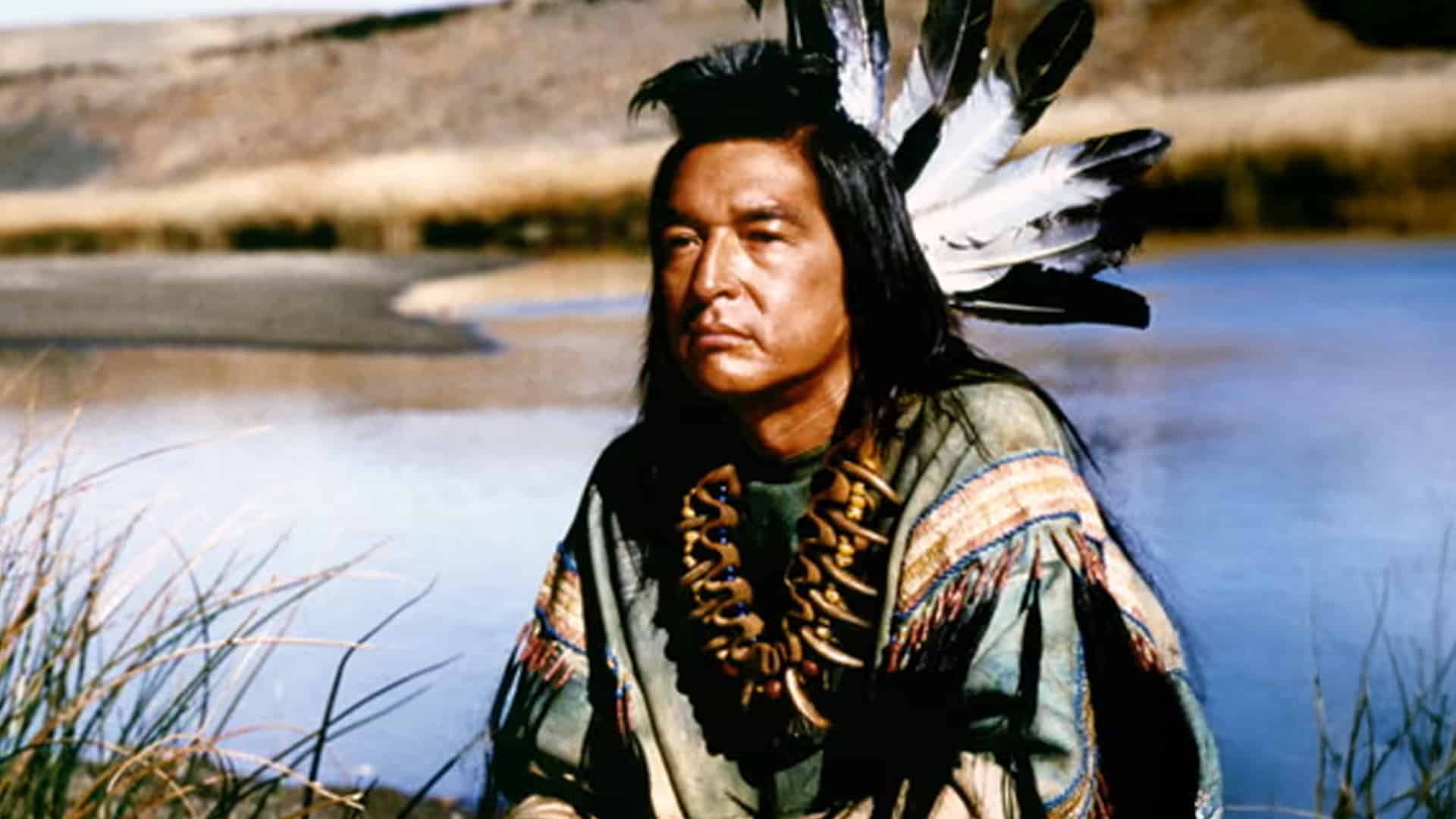


The man who gave Kicking Bird his quiet power and dignity has taken his final bow.
Graham Greene, the First Nations actor whose career cracked open doors for Indigenous performers in Hollywood, died on September 1 in a Toronto hospital after a long illness. He was 73 years old. His passing hit especially hard because Greene was not just a working actor. He was a legend who built bridges between cultures every time he stepped in front of a camera.
Born on June 22, 1952, in Ohsweken on the Six Nations Reserve in Ontario, Greene never had an easy start. He worked as a steelworker, draftsman, and even a roadie for a rock band before he found himself on the stage. By the 1970s, he was grinding it out in theater in Canada and the UK, developing the discipline that would define his career. Greene once said theatre gave him the bones to build characters, because “in film you don’t have that luxury.” That discipline showed in every role he ever touched.
Greene’s breakthrough came in 1990 when Kevin Costner cast him as Kicking Bird in Dances With Wolves. The epic western earned 12 Oscar nominations and seven wins, and Greene himself walked into history as an Academy Award nominee for Best Supporting Actor. His performance as the Lakota medicine man was tender, wise, and commanding all at once. It became the role that changed his life. In fact, in his final hours, Greene reportedly tried to reach out to Costner just to say thank you for opening that door.
RELATED: Kevin Costner Honors His “Dances With Wolves” Co-Star Graham Greene in Heartfelt Tribute
From there, Hollywood came calling. Greene sparred with Mel Gibson in Maverick, traded lines with Bruce Willis in Die Hard With a Vengeance, broke hearts in The Green Mile as Arlen Bitterbuck, and showed up everywhere from The Twilight Saga: New Moon to Taylor Sheridan‘s haunting Wind River. Sheridan knew exactly what Greene brought to the screen, which is why he later cast him in both 1883 and Tulsa King.


Television was just as rich. Greene’s resume stretched from Northern Exposure to Lonesome Dove: The Series, Longmire, American Gods, and even Marvel’s Echo. More recently, he left one final gift on FX’s Reservation Dogs, fitting for a man whose very presence paved the way for Native representation in Hollywood.
Awards followed him everywhere. He earned an Oscar nomination, a Grammy, a place on Canada’s Walk of Fame, and the Governor General’s Performing Arts Award earlier this year. He was also inducted into the Order of Canada in 2016. These were not just trophies. They were proof that his community, his country, and the industry recognized how much he mattered.
Fans online are already calling out the symmetry of Greene’s career. He began as Kicking Bird, the quiet center of a story about respect, trust, and cross-cultural bonds. Decades later, he ended on Reservation Dogs, a show written by Indigenous voices for Indigenous audiences, carrying the torch further than anyone might have dreamed in 1990.
RELATED: Inside Kevin Costner and Christine Baumgartner’s Timeless Romance
He is survived by his wife of 35 years, Hilary Blackmore, his daughter Lilly, and his grandson Tarlo. His agent put it simply and said, “He was a great man of morals, ethics and character and will be eternally missed.”
Greene died of natural causes, and he left behind one unreleased project, the thriller Ice Fall, which proves he worked until the end. That was who he was: a craftsman, a trailblazer, and a fighter.
Hollywood has lost one of its true storytellers. But every time “Go Rest High on That Mountain” echoes at a funeral or Dances With Wolves plays on a late-night screen, Graham Greene’s work still speaks. And it will keep speaking, because legends do not fade. They simply take their place on higher ground.