

Some artists burn bright, but Barbara Mandrell lit the whole sky on fire.
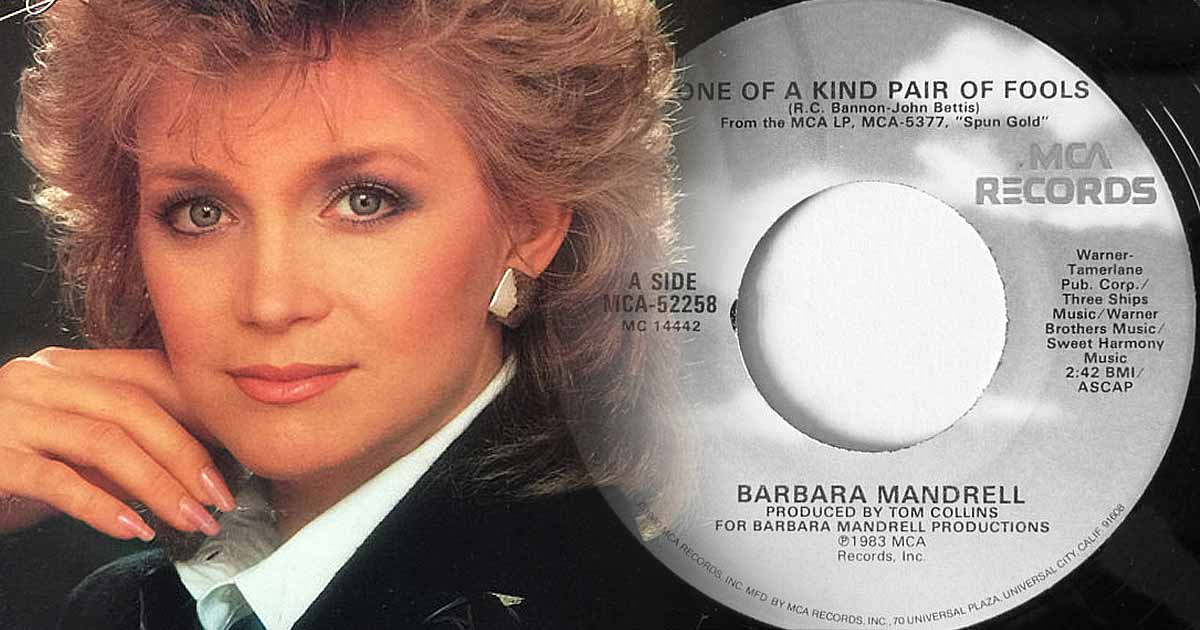
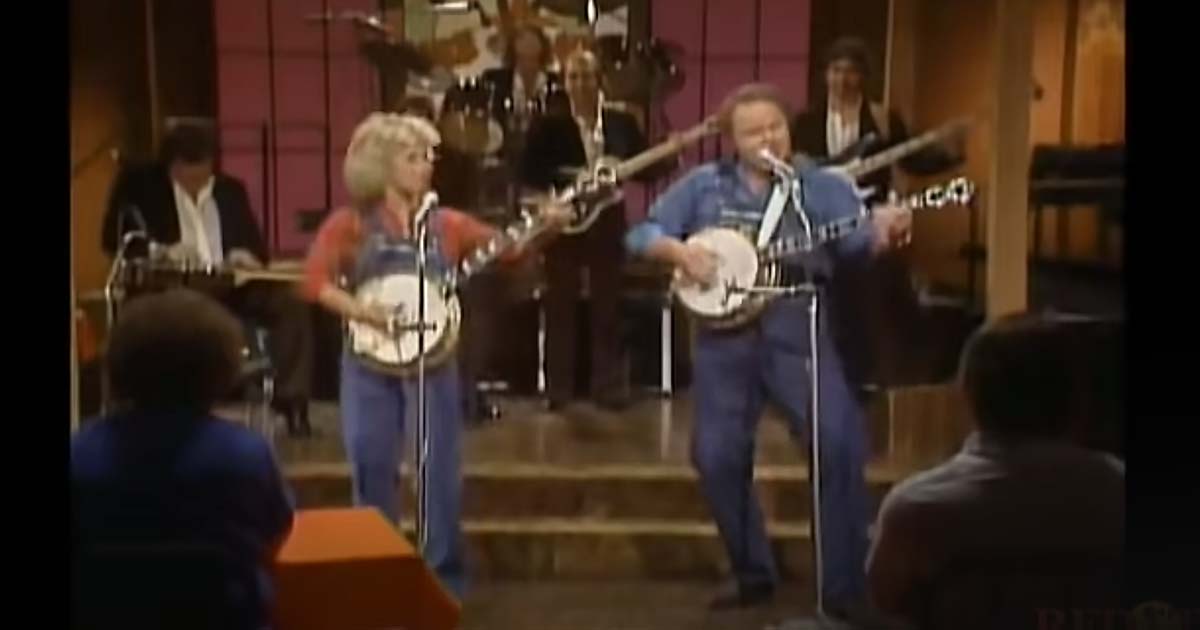
Throughout the late 1970s and early 1980s, Barbara Mandrell was everywhere. Her voice dominated the radio with hits like “Sleeping Single in a Double Bed,” “If Loving You Is Wrong (I Don’t Want to Be Right),” and the country-defining anthem “I Was Country When Country Wasn’t Cool.” She played every instrument you could think of, danced circles around half of Nashville, and had a successful run on NBC with “Barbara Mandrell and the Mandrell Sisters” that brought prime-time country to living rooms across America.
She was not just another country star because Barbara Mandrell was the blueprint. And then, like a ghost in rhinestones, she was gone.
For years, fans wondered what happened. Why did one of the most unstoppable forces in country music history step away while still at the top of her game? Why was she barely seen, rarely heard from, and never returning to the spotlight that once crowned her queen?
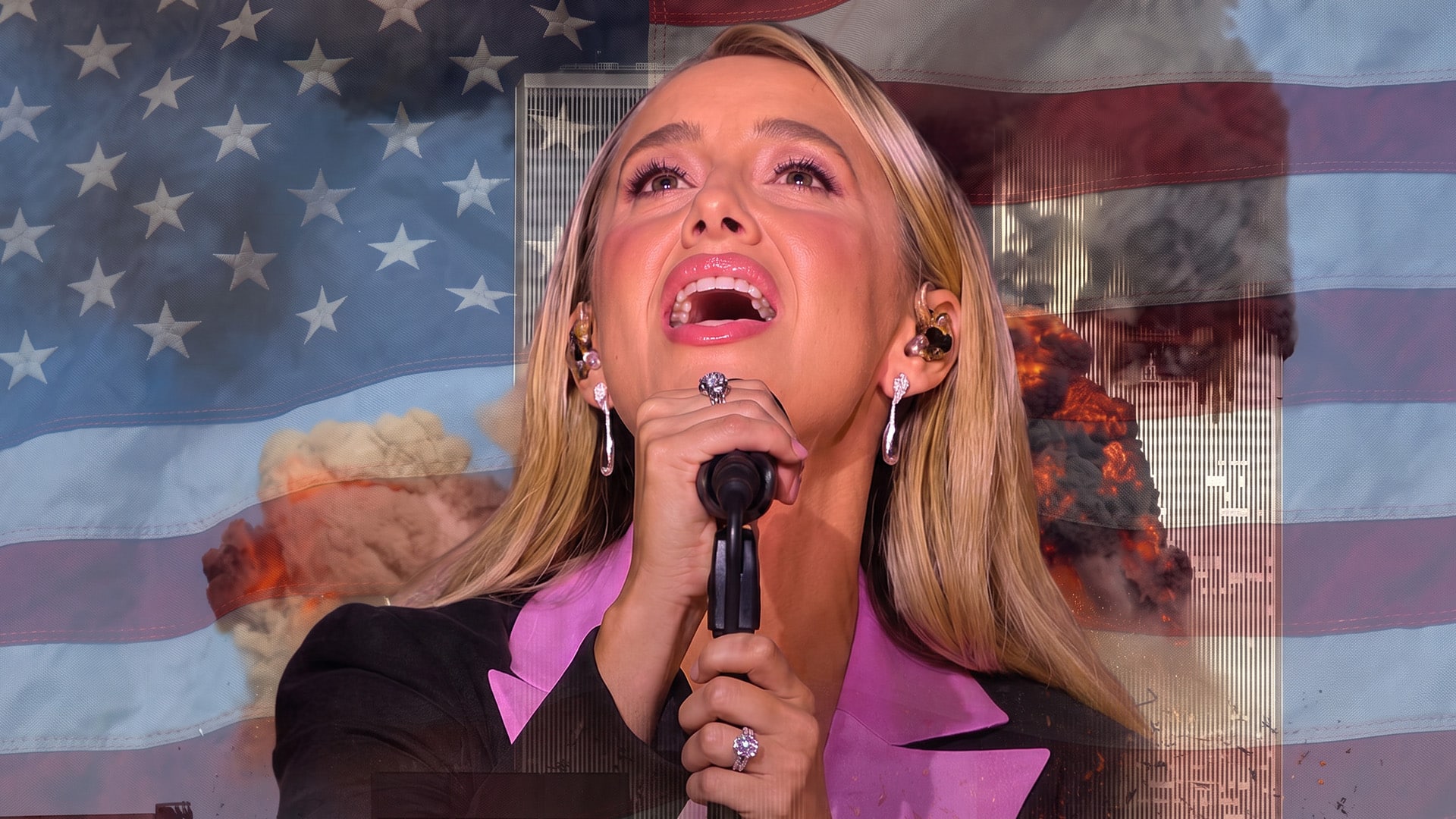
The answer finally came into full view this year when Mandrell made a rare public appearance at the Grand Ole Opry’s 100th anniversary. There she was, at 76 years old, dressed in blue and swaying along to Kelsea Ballerini covering her 1981 classic. She smiled, soaked in the applause, and reminded the world just how much her presence had been missed. But even that moment, as beautiful as it was, confirmed the truth. Barbara Mandrell was never coming back.
For You
The real story behind her quiet exit starts with pain, both physical and personal. In 1984, Mandrell survived a horrific car crash that left her with a concussion and multiple serious injuries. She fought her way back, releasing albums and touring throughout the rest of the decade. While the industry saw her pushing forward, something had changed behind the scenes.
By 1997, Mandrell was nearing 50 and had three kids at home. Her youngest son was still in high school. She had already given decades to the spotlight, and when faced with the choice of chasing one more chart-topper or raising her children without the chaos of tour buses and flashing cameras, she chose family. She did not just take a break, because she sold every instrument she owned. She never recorded another track, and she never sang in public again. She closed the book and locked the cover for good.
That decision shocked Nashville at the time, but it makes perfect sense now. Mandrell had been through the fire and came out the other side with her priorities carved in stone. Awards and headlines were not what mattered anymore. Her legacy was already cemented in the halls of country music history. What she wanted most was peace.
There was no secret illness, no scandal, and no slow fade into irrelevance. Barbara Mandrell walked away on her terms. She chose a life that most artists cannot even imagine, one where the roar of the crowd was replaced by the quiet joy of being Mom. And maybe that is the most country thing she ever did.
When she appeared on the Opry stage in 2025, she did not need to sing a single note. The crowd stood for her anyway. They remembered. They always will. Because when you are Barbara Mandrell, you do not need a comeback. You already made history.

Know someone who loves Barbara Mandrell?
Pass this story along to your friends and family on Facebook.