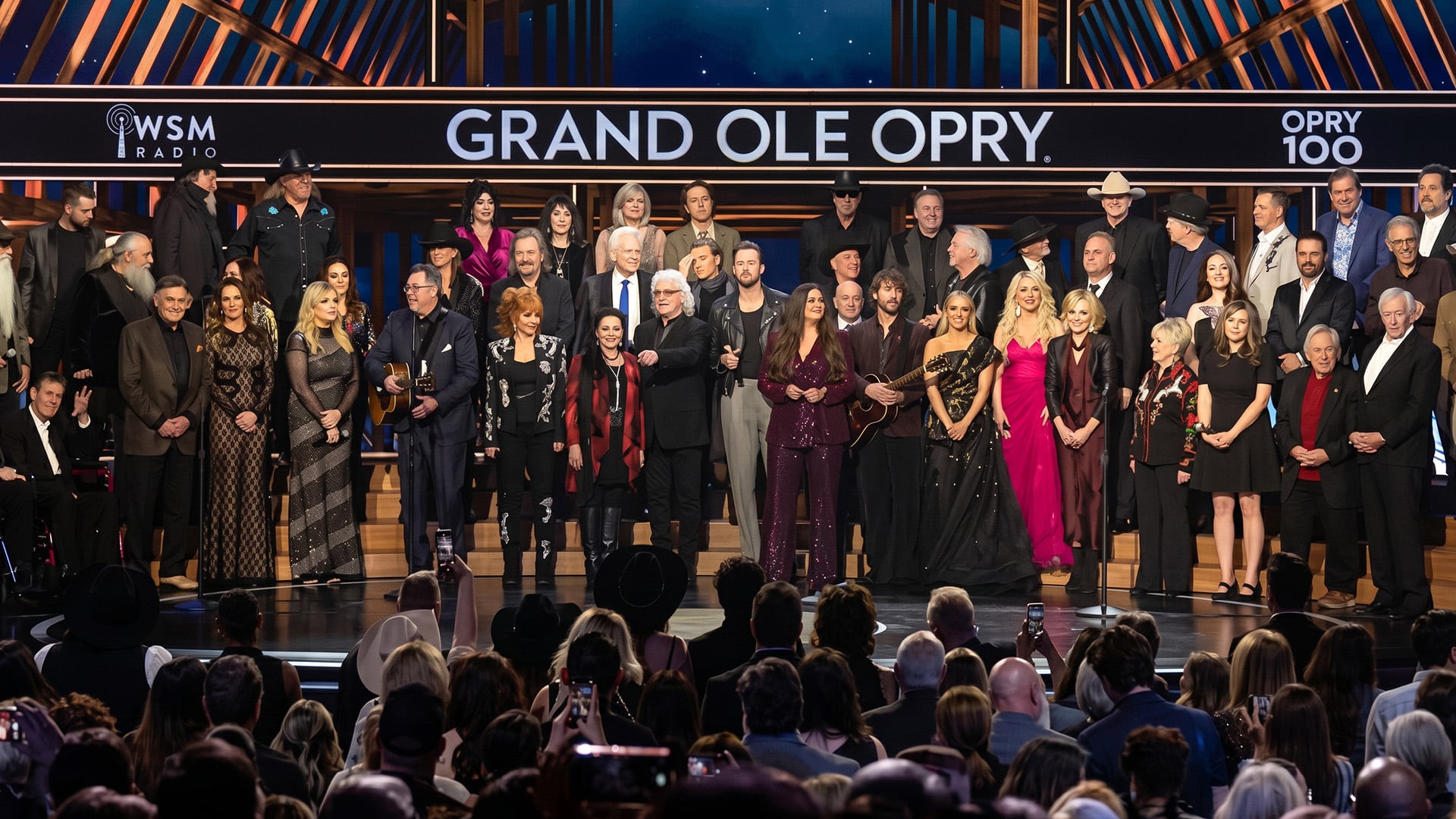


The Grand Ole Opry turned 100 this year. And in the middle of its centennial celebration, the people who own it are looking for a buyer.
Ryman Hospitality Properties confirmed Wednesday that it is exploring the sale of its 70% controlling stake in Opry Entertainment Group, the company that owns some of the most important venues in country music history. Bloomberg first reported the news, revealing that Ryman has hired Morgan Stanley to find a buyer.
This isn’t just the Grand Ole Opry House. The portfolio up for sale includes the Grand Ole Opry, the Ryman Auditorium, WSM Radio, Blake Shelton’s Ole Red locations, and Luke Combs’ Category 10. That’s the Opry stage, the Mother Church, the radio station that started it all, and two of Nashville’s biggest artist-owned venues, all in one deal.
If that doesn’t make you sit up a little straighter, you haven’t been paying attention.
Why Now and What Ryman Hospitality Is Saying
Ryman Hospitality’s executive chairman, Colin Reed, said in a statement, “With the rise in global popularity of country music and the increasing demand for live experiences, we have received inbound interest from a range of organizations seeking to partner with our entertainment business.”
Reed added that the company has “previously shared our view that enabling OEG to operate outside of our REIT structure over time is important for its long-term growth trajectory and we believe strategic partnerships can further support its growth.”
In plain English, outside investors have come knocking because country music is hotter than it’s been in decades, and Ryman believes the entertainment side of the business could grow faster under a different structure.
The company stressed that no agreements have been entered into and “there are no assurances that any transaction will occur.” Bloomberg also confirmed that Ryman’s hotel properties, including the Gaylord Opryland Resort and Convention Center, are not part of the sale.
So nothing is final. But the fact that Morgan Stanley is involved means this is well past the “just thinking about it” stage.
For You
The Opry Has Changed Hands Before, but Never When the Stakes Were This High
Grand Ole Opry historian Byron Fay, who has studied the Opry for more than 50 years and attended over 300 shows, gave some context on how ownership has shifted over the decades. “The Grand Ole Opry started back in 1925, with the original owner being National Life, an accident insurance company,” Fay told WKRN. He believes the current move is largely about maximizing value for shareholders.
That tracks from a business standpoint. But this isn’t a chain of hotels or a portfolio of strip malls. This is the stage where Hank Williams sang “Lovesick Blues.” The room where Patsy Cline performed for the last time. The circle cut from the original Ryman floor, where every living Opry member has stood and felt the weight of the artists who came before them.
The Opry welcomes more than one million visitors per year. It’s the longest-running radio broadcast in American history. And right now, in the same year it celebrated 100 years of unbroken tradition, the conversation has shifted from “who’s performing Saturday night” to “who’s buying the building.”
“What is that gonna mean?” one visitor told WSMV outside the venue, capturing what a lot of fans are feeling right now.
Nobody has the answer yet. Ryman’s statement closed by saying, “We remain focused on bringing artists and audiences together through iconic live entertainment experiences.” That sounds reassuring until you remember that every company exploring a sale says something similar right before the deal closes and everything changes.
The right buyer could pour resources into these venues, protect their legacy, and expand country music’s reach without losing what makes these places sacred. The wrong buyer could turn the Opry into a brand exercise with VIP packages and corporate sponsors, where the circle used to be.
Country music has survived a lot over 100 years. Bad trends, industry politics, format wars, and every attempt to water it down. But the Opry has always been the one thing that stayed constant, the beating heart of a genre that runs on tradition.
Whoever buys it better understand that. Because 100 years of country music history isn’t something you put a price tag on. It’s something you protect.