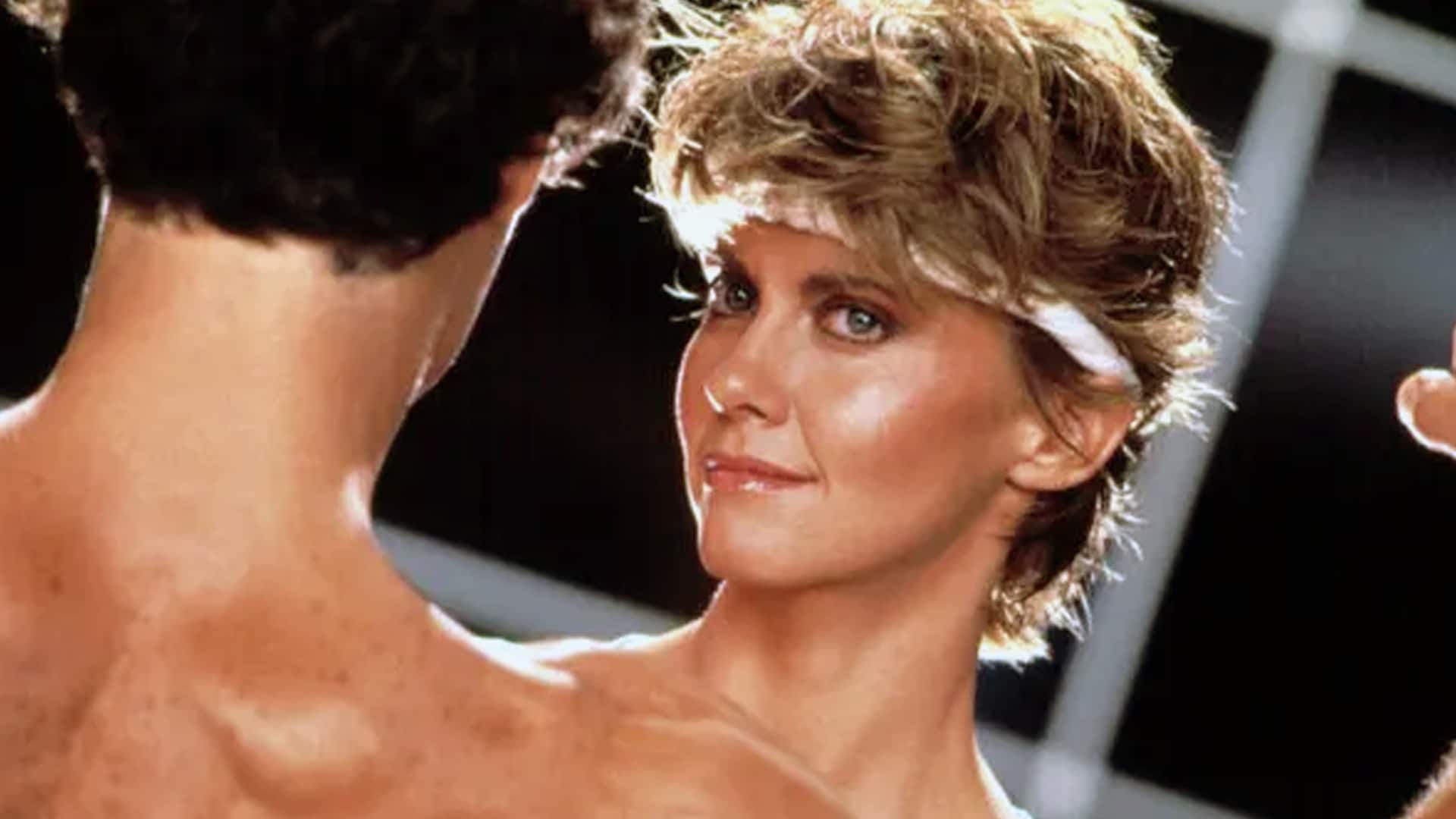


She wanted it dead before it ever had a chance to live. Instead, it became the biggest hit of her life.
On November 21, 1981, Olivia Newton-John had a problem. Her team had just released a brand new single called “Physical” as the lead-off for her upcoming album. And somewhere between the studio and the radio station, it finally hit her what the lyrics really meant. All that talk about “getting physical” and “talking horizontally” wasn’t exactly subtle. Olivia freaked out.
She immediately called her manager and begged him to pull the song. In her own words, “We have to kill it.” His answer was simple and devastating. “It’s already on the charts, doll. It’s doing really well. We can’t stop it.”
And thank God they didn’t. “Physical” didn’t just perform well. It exploded.
RELATED: Olivia Newton-John Professes Love in Her Classic Song “I Honestly Love You”
Despite her cold feet, Olivia Newton-John delivered a song that redefined her image and sparked a pop culture firestorm. It topped the Billboard Hot 100 for ten weeks and landed at No. 1 in Australia, New Zealand, Canada, and just about everywhere else with a working radio dial.

For You
The lyrics, written by Steve Kipner and Terry Shaddick, were originally meant for a male artist. Rod Stewart was the first name floated, then Tina Turner. Somehow it landed in Olivia’s lap. And while she didn’t clock how steamy it was while recording it, once she played it back, it hit her like a slap in the face. She had built her career on being the sweetheart from Grease. This was a whole new Olivia.
The song pushed her into unfamiliar territory and into an era that demanded reinvention. That spandex-clad music video, full of gym rats and cheeky winks, helped crank up the heat even more. And while certain radio stations in Utah, the UK, and South Africa banned the song for being too suggestive, those bans only added fuel to the fire.
For fans who had watched her sing ballads like “Hopelessly Devoted to You,” the raunchy shift in tone was a surprise. Maybe even a little jarring. But let’s not pretend Sandy from Grease didn’t also have a leather jacket and a cigarette by the end of the movie. Olivia wasn’t selling out. She was leveling up.
She may not have written “Physical,” but she owned every inch of it. And over time, Olivia made peace with her initial fears. In fact, she came to see the whole experience as a reminder that the stuff you’re scared of is often the stuff that changes everything. “I’m very thrilled that I didn’t pull it off the charts,” she said later in life. “Compared to what I’m hearing on the radio now, it’s more like a lullaby.”
More than four decades later, “Physical” still holds up. It’s wild, it’s iconic, and it’s part of what made Olivia Newton-John more than just the girl next door. It made her fearless.
She may have wanted to bury it, but instead, she ended up with a song that would talk for generations. And now, every time we hear that chorus, we don’t just hear a beat. We hear a legend realizing her power, whether she was ready for it or not.