Celebrate the Heart of Country, Americana, and Roots Music!

Drop Us A Line, Y'all

Y'all interested in advertising, partnering up, contributing stories, joining our team, or just got a question? Well, don't be shy, drop us a line!

Follow Us

Throwback To Johnny Cash’s “Folsom Prison Blues” That Cultivated His Outlaw Image

Throwback To Johnny Cash's "Folsom Prison Blues" That Cultivated His Outlaw Image
Arden Lambert
by
  • Arden Lambert covers breaking country music news for Country Thang Daily.
  • His beat includes today’s biggest stars, award shows, new music, tours, and the headlines fans are talking about.
  • If it just happened in country music, Arden is on it.
Get Country Thang Daily first on GoogleGet CTD first on GoogleAdd us as a preferred source in Top StoriesAdd us as a preferred sourceAdd

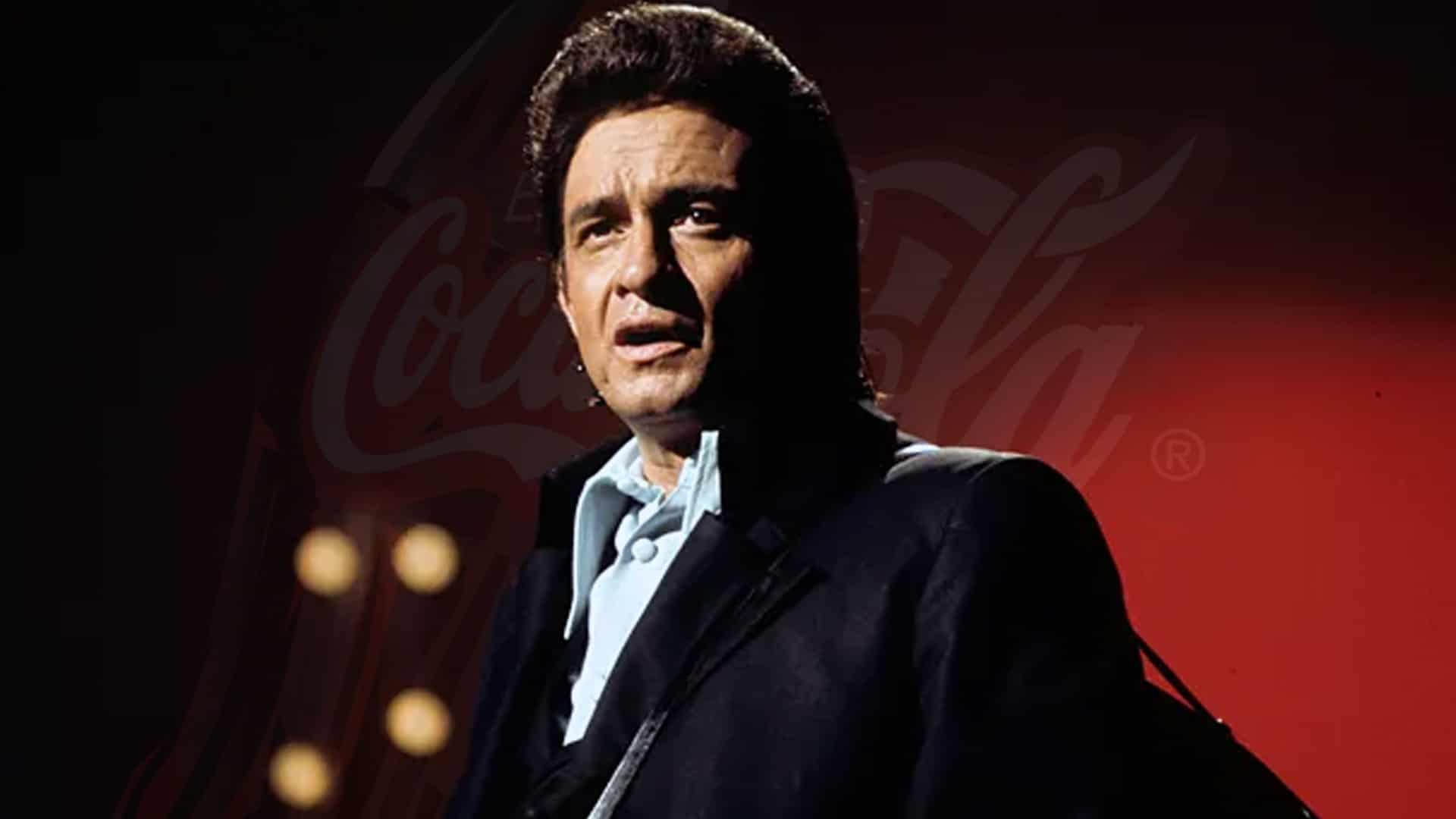
Johnny Cash may have cultivated an outlaw image, but he never actually served a prison sentence. His imagination indeed took him to prison in his song “Folsom Prison Blues.”

It is one of his earliest songs, which was first recorded in 1956 for his debut album, With His Hot and Blue Guitar. The same version was included in his 1962 album All Aboard the Blue Train. However, in 1968, a thrilling, electric version recorded live at Folsom Prison in California came to define Cash’s outlaw persona. It then became a No. 1 hit on the country music charts, both in Canada and the United States.

For decades, Cash opened almost all of his concerts with the song after greeting the audience with his infamous introduction, “Hello, I’m Johnny Cash.”

The Story Behind Johnny Cash’s Controversial Song

Written by Johnny Cash himself, “Folsom Prison Blues” tells the tale of a fictional inmate at Folsom Prison who wishes he could ride a nearby train away from his confinement and journey to San Antone.

“Well, if they freed me from this prison, if that railroad train was mine, I bet I’d move it on a little farther down the line. Far from Folsom prison, that’s where I want to stay, and I’d let that lonesome whistle blow my blues away,” the song goes.

Cash wrote “Folsom Prison Blues” in 1953 while serving in West Germany in the United States Air Force at Landsberg, Bavaria, and it was inspired by the 1951 crime drama, Inside the Walls of Folsom Prison.

“It was a violent movie,” Cash recalled. “And I just wanted to write a song that would tell what I thought it would be like in prison.”

The famous line in the song “But I shot a man in Reno, just to watch him die,” was written by Cash “with my pen in my hand, trying to think up the worst reason a person could have for killing another person, and that’s what came to mind.”
He then took the song’s melody and most of the lyrics from Gordon Jenkins’s 1953 Seven Dreams concept album, particularly the song “Crescent City Blues.” However, Jenkins was never credited on the original record, which resulted in a lawsuit when the song became popular in the early 1970s. Cash had to pay Jenkins a settlement of approximately US$ 75,000.

In 1968, Cash finally performed the song at Folsom Prison itself, which was recorded and eventually released as a live album called at Folsom Prison. It comes with a more up-tempo opening compared to the original recording.

The prisoners can also be heard cheering following the line, “But I shot a man in Reno, just to watch him die.” However, the cheers were only added in post-production. In a special feature on the 2005 biopic Walk the Line, it was revealed that the prisoners hesitated to cheer at Cash’s comments about the prison itself, out of fear of reprisal from the guards.

Nonetheless, this live version helped Cash earn a Grammy for Best Male Country Vocal Performance. It was also named the No. 1 Single of the Year by Billboard.  

With the success of “Folsom Prison Blues,” Cash made prison reform his political cause of choice. This started his regular performances in jails, doing about twelve shows a year – mostly in Folsom and San Quentin – for free. “I don’t see anything good come out of prison. You put them in like animals and tear out the souls and guts of them, and let them out worse than they went in,” Cash said.

Tune in and listen to Johnny Cash’s “Folsom Prison Blues” in the video below.

Throwback To Johnny Cash’s “Folsom Prison Blues” That Cultivated His Outlaw Image

Know someone who loves Johnny Cash?

Pass this story along to your friends and family on Facebook.
Share on Facebook

Latest Stories

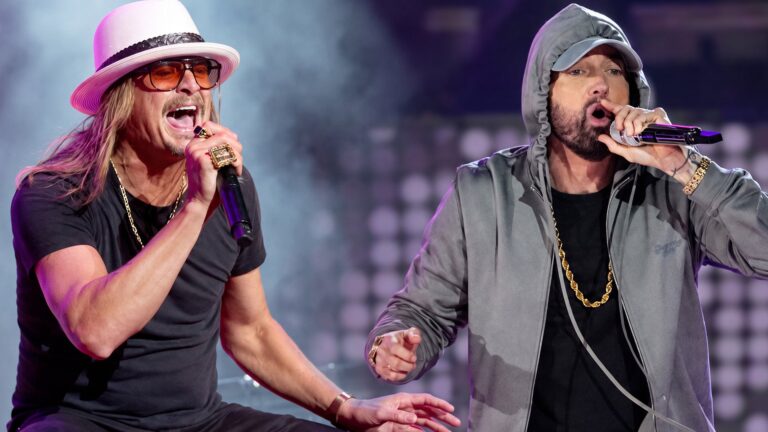
Kid Rock Felt Called to Record His First Christian Album and He Went All In on Jesus

The song came to him in the middle of the night. Everything else followed from there. Kid Rock announced Halfway 2 Jesus, the first Christian album of his career, arriving ...

Kid Rock and Eminem Chose Friendship Over Politics and Reunited on His Christian Album

Kid Rock dropped the tracklist for his first Christian album on Thursday, October 1, and one name on it stopped people cold. Track three is called “7 Sins,” and it ...

Dolly Parton Day Is Here With Book Drives, Sparkle, and a Lot of Giving Across the Country

Somewhere in Ohio, a small charity asked people for 925 donations of $9.25 each. They blew past it and funded free books for 1,110 kids. That is what September 25 ...

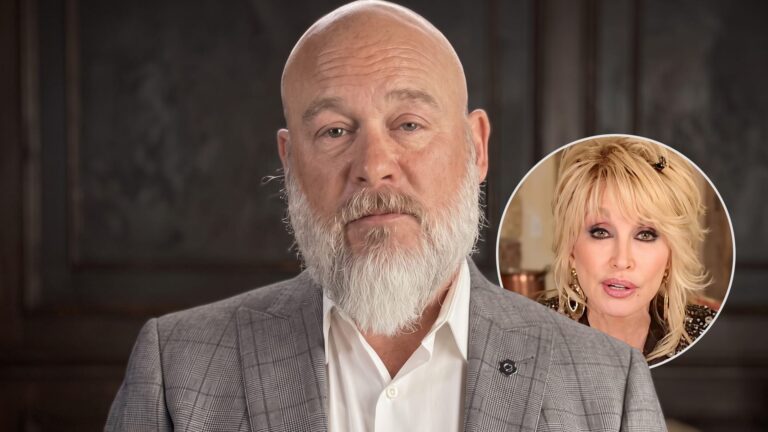
Dolly Parton’s Nephew Who Announced Her Death Was Reportedly Fired From Guarding Her Properties

Three weeks after Bryan Seaver stood in front of a camera to tell the world his aunt had died, he was reportedly told to hand over the keys. Seaver, the ...

The CMA Will Honor Dolly Parton With a Two-Hour Live Special on October 21

Dolly Parton wrote the most famous goodbye song in American music. Now, country music is using it to say goodbye to her. The Country Music Association announced it will honor ...

Reba Wore Dolly Parton’s Rhinestone Earrings and Butterfly Ring During Her Emmys Tribute

The first time Reba McEntire ever saw Dolly Parton in person, Dolly was covered in rhinestone butterflies. McEntire has told the story more than once. She was backing up against ...

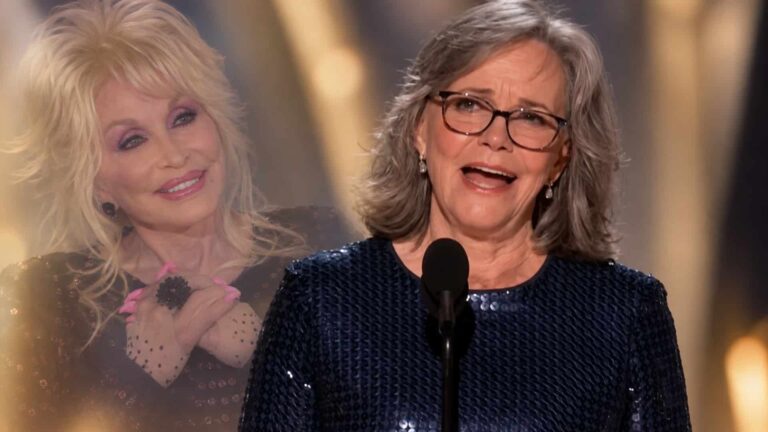
Sally Field Called Dolly Parton an Angel on Earth in Her Emmys Tribute Speech

Sally Field worked with Dolly Parton on one movie in 1989. She spent the next thirty-seven years loving her anyway. Field introduced the Dolly Parton tribute at the 78th Primetime ...

Reba McEntire Sang “Appalachian Memories” for Dolly at the Emmys and Got Emotional at the End

Forty-three years ago, Dolly Parton stood on the Emmy stage and sang a song she wrote about her daddy and the mountains that raised her. On Monday night, her friend ...

A Massive Dolly Parton Mural Went Up on a Fort Worth Honky-Tonk and People Keep Pulling Over

His daughter took the news hard, so he went and found a wall. Juan Velazquez saw how Dolly Parton’s death hit his daughter and decided he wanted to honor her. ...

Jennifer Nettles Honored the 9/11 Victims With Vince Gill’s Go Rest High on That Mountain

Vince Gill wrote that song for his own dead. On Friday, Jennifer Nettles sang it for nearly three thousand of them. Nettles performed “Go Rest High on That Mountain” at ...

Leave a Comment

For security, use of Google's reCAPTCHA service is required which is subject to the Google Privacy Policy and Terms of Use.