
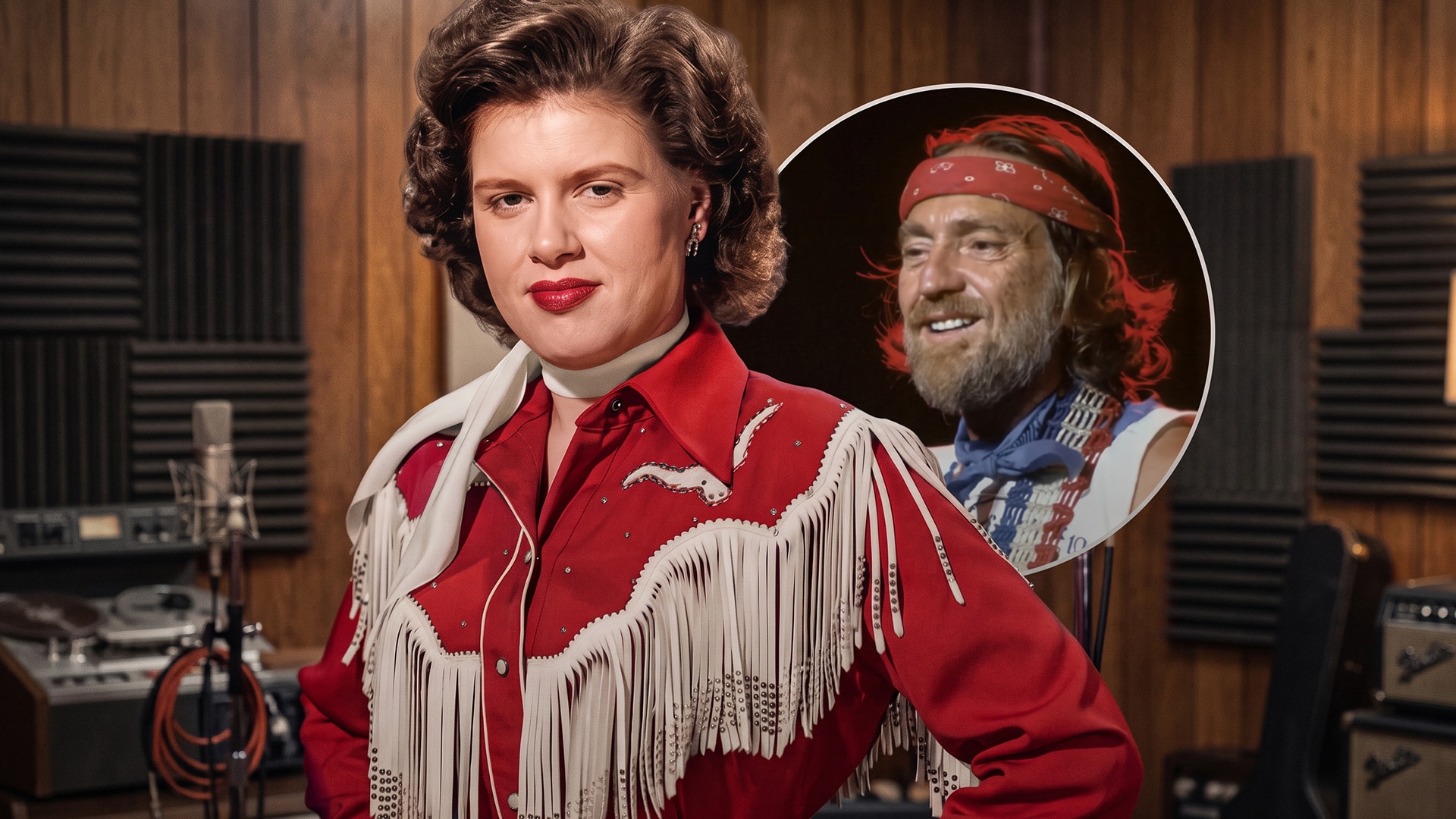


About two months after she went through a windshield, Patsy Cline was on crutches, with broken ribs that had not healed, recording a song in a Nashville studio that she did not even like.
When she heard the writer’s own offbeat demo, she said so plainly, as Gordon Stoker of the Jordanaires later recalled to NPR.
“Look, Hoss, there ain’t no way I could sing it like that guy’s a-singing it.”
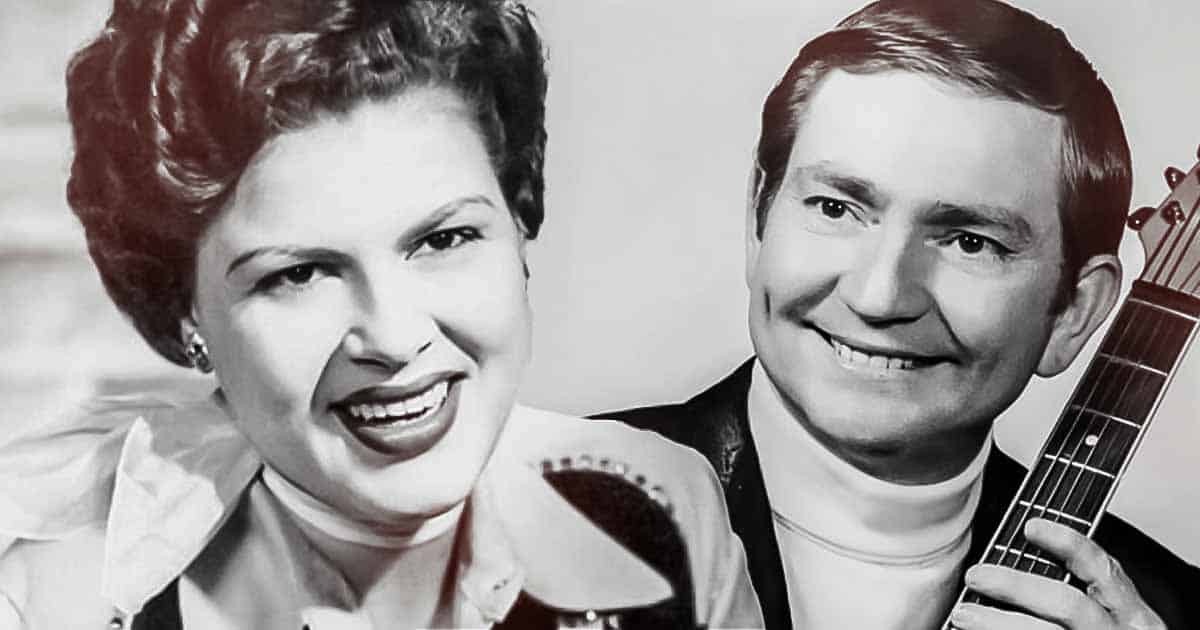
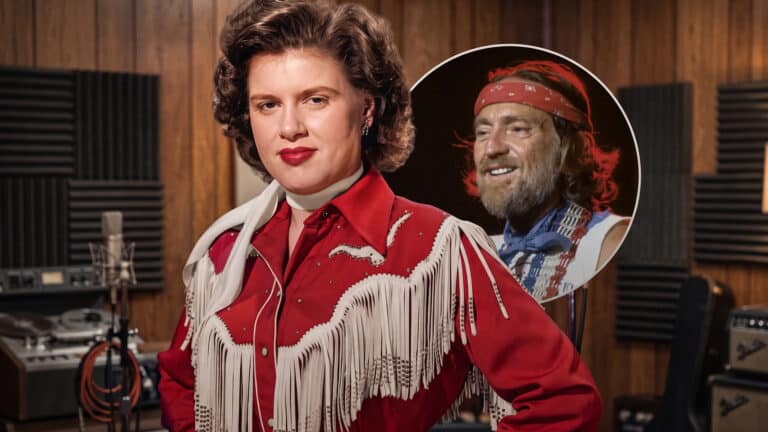
That guy was Willie Nelson, and the song was “Crazy.” It was released on Oct. 16, 1961, and it became Cline’s biggest hit and one of her signature songs.
Patsy Cline Did Not Want ‘Crazy,’ and She Had Hated a Hit Before
Nelson was a struggling songwriter when he wrote it, and he first called it “St𝐮pid.”
The song found its way to Patsy Cline from two directions. Hank Cochran, who co-wrote her hit “I Fall to Pieces,” pitched it to Owen Bradley, who loved it despite Nelson’s offbeat demo. Her husband, Charlie Dick, got Nelson’s recording at a bar and brought it home to her.
She initially hated it, and it was not her first choice. Cline had wanted another Nelson song, “Funny How Time Slips Away,” but Billy Walker had already recorded it. Dick told NPR that she did not think too much of the song, and he and Bradley persuaded her to record it.
She had fought a hit like this once already. “Walkin’ After Midnight” reportedly made her cry, and on the phone with Four Star president Bill McCall, she was blunt about it.
“I don’t like it,” she told him, and then, “I hate it.” She told McCall “I still hate it” after he played it again.
The producers of Arthur Godfrey’s Talent Scouts insisted she sing it anyway on Jan. 21, 1957. The audience broke the applause meter, the label moved it to the A-side, and the song she hated went to No. 2 country and No. 12 pop as her first hit.
Patsy Cline Sang ‘Crazy’ on Crutches and Cut Her Vocal in a Single Take
On June 14, 1961, Cline and her brother Sam were in a head-on crash in Nashville. She went through the windshield and spent a month in the hospital with a broken wrist, a dislocated hip and a gash across her forehead, and her friend Dottie West later described picking glass out of her hair at the scene.
About two months later, it was time to make the record. She was still on crutches and could not hit the high notes because her broken ribs had not healed. Bradley’s brother Harold later recalled that she could not hold the notes out.


For You
The first session, on Aug. 21, 1961, produced only the backing tracks. Bradley produced, with Floyd Cramer on piano and the Jordanaires on backing vocals, and Stoker remembered Cline telling Bradley exactly what she did not want.
“Look, I don’t want four male voices covering me up.”
Nelson has written that the record nearly failed for another reason. In Energy Follows Thought, his book about the stories behind his songs, he said it almost did not happen because Cline tried singing like him.
She came back on Sept. 15, 1961, and recorded her vocal in a single take. The woman who said there was no way she could sing it like that guy sang it like Patsy Cline, on crutches, one time through.
‘Crazy’ Became the Biggest of Patsy Cline’s Famous Songs
Patsy Cline’s famous songs include “Walkin’ After Midnight,” “I Fall to Pieces” and “Crazy,” and the one she did not want became the biggest of them. It peaked at No. 2 on Billboard’s country chart and reached the top 10 of the Hot 100, her only top-10 pop hit.
In 2003, “Crazy” was inducted into the Library of Congress National Recording Registry, and it has been called the most-played jukebox song in the U.S.
It changed things for the man who wrote it too. Nelson covered “Crazy” on his own debut album, …And Then I Wrote, in 1962, and the song helped launch his career.
Cline had little time with it. She died in a plane crash on March 5, 1963, at 30, less than a year and a half after the single came out.

Shop Willie Nelson
- Greatest HitsVinylWith “On the Road Again,” “Always on My Mind” and “Crazy”See it on Amazon
- Red Headed StrangerVinylWith “Blue Eyes Crying in the Rain”See it on Amazon
- It’s a Long Story: My LifeBook · 2015His memoir, written with David RitzSee it on Amazon
As an Amazon Associate, Country Thang Daily earns from qualifying purchases.
Nelson, the struggling writer whose song she did not want, looked back on what it meant to him in the same book.
“Crazy is as crazy does, and this particular ‘Crazy’ convinced me, at a time when I wasn’t a hundred percent sure of my writing talent, that I’d be crazy to stop writing.”
Know someone who loves Patsy Cline?
Pass this story along to your friends and family on Facebook.