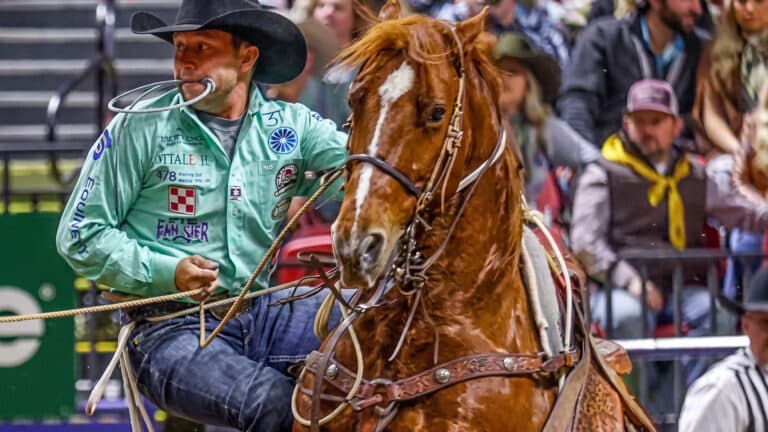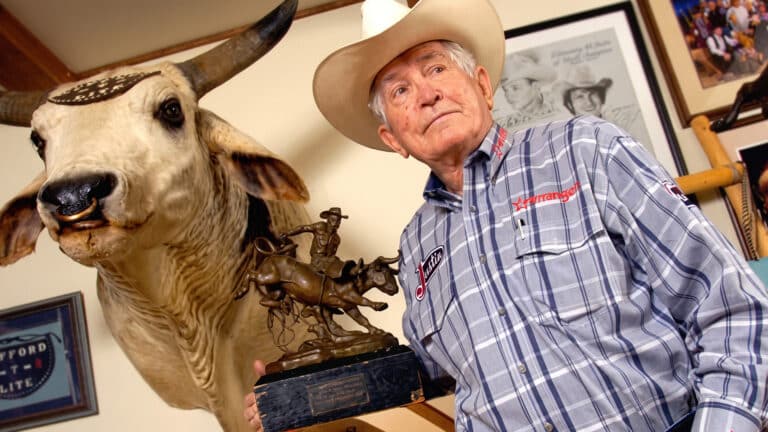


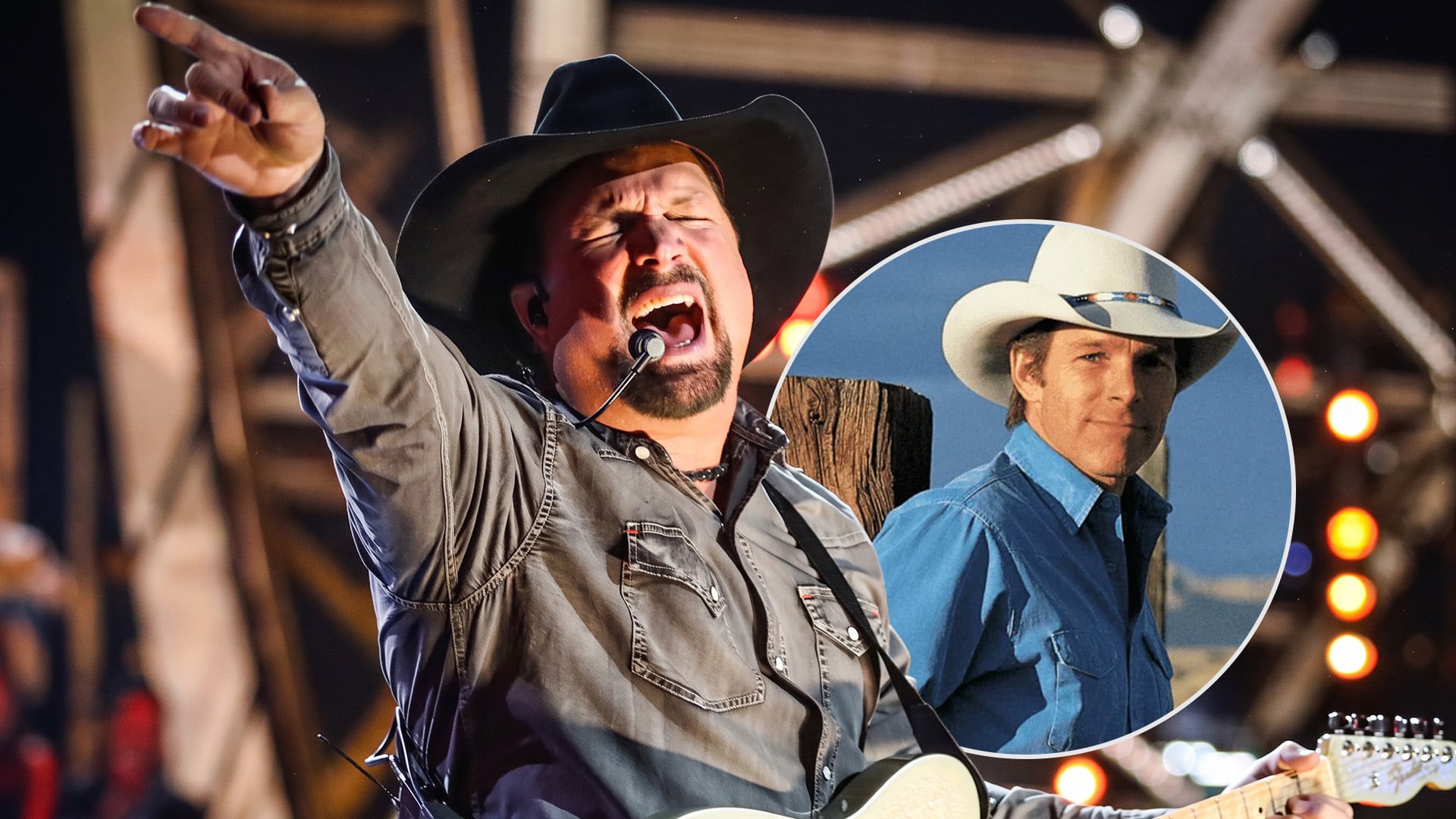
Long before Garth Brooks sang about him, Chris LeDoux was a young bareback rider at Cheyenne Frontier Days, and between rides he sold his own music from a booth under the grandstands.
In 1974, he missed the bareback title there by one point.
He came back to those same grounds years later as a country star, at a celebration that has been part of Cheyenne since 1897.
Cheyenne, Wyoming, held its first Frontier Days on Sept. 23, 1897, and the show went on through two world wars and the Great Depression. Only the pandemic stopped it, in 2020, the first cancellation in its history. This year’s 130th Cheyenne Frontier Days ran July 17 to 26. It started as a single day of cowboy work and grew into the rodeo known as the Daddy of ’em All.
Cheyenne Frontier Days Was Planned in a Saloon and Started as a One-Day Roundup
The idea came from a railroad man. Frederick W. Angier, an agent for the Union Pacific, suggested the festival to the editor of the local Cheyenne newspaper in 1897, and the plans for the first Frontier Day were made in the Tivoli Saloon at the corner of 16th Street and Carey.
That first one was a cowboy roundup, with pony races, bronco busting and steer roping. It also came with a promise from the Army. Capt. William Lewis Pitcher pledged the 8th Infantry to the event, and he did it without authorization from the War Department.
For the second Frontier Days, Cheyenne stretched the celebration to two days and added a parade, and Buffalo Bill Cody brought his Wild West Show to run alongside it. A roundup planned in a saloon had drawn the most famous name in Western show business by its second year.
In 1904, Bill Pickett, a Black cowboy from the 101 Ranch, introduced bulldogging to Cheyenne Frontier Days.
The traditions kept stacking up from there. The first Miss Frontier, Jean Nimmo Dubois, was selected in 1931.
The Daddy of ‘Em All Got Its Name From the Money on the Line
The city’s visitor site, Cheyenne.org, says the PRCA rodeo is called the Daddy of ’em All because of its prize purse, and top professional cowboys compete for more than $1 million in cash and prizes. Cheyenne Frontier Days bills itself as the world’s largest outdoor rodeo and Western celebration.
For You
Rodeo cowboys and stock contractors have voted it Large Outdoor Rodeo of the Year 16 times, in a state where rodeo is the official sport.
The celebration happens each summer during the last full week in July, and the rodeo runs for 10 days. The frontier theme reaches well past the chutes, with a Native American Village, an old frontier town, a saloon, dancing, a chuck wagon cook-off, pancake breakfasts and an art show.
The program also brings a carnival midway, an air show, top-name entertainment, bull riding shows, parades, behind-the-chutes tours, trick riding and a wild-horse race.
The arena carries sorrow along with the glory. Cheyenne is where bull rider Lane Frost died after his ride in 1989, and Aaron Watson’s song “July in Cheyenne” honors him.
Chris LeDoux Returned to Cheyenne Frontier Days Six Times as a Country Star
Two years after that one-point miss in Cheyenne, LeDoux won the world bareback riding championship in 1976.
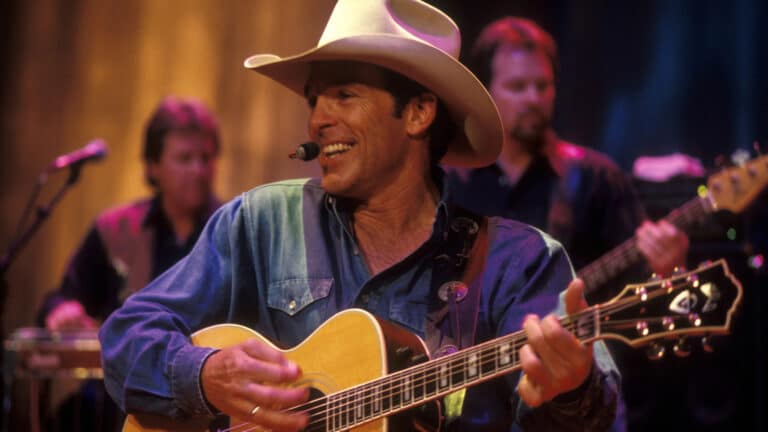
After he became a star, Chris LeDoux came back to perform at Cheyenne Frontier Days six times, in alternating years between 1993 and 2003.
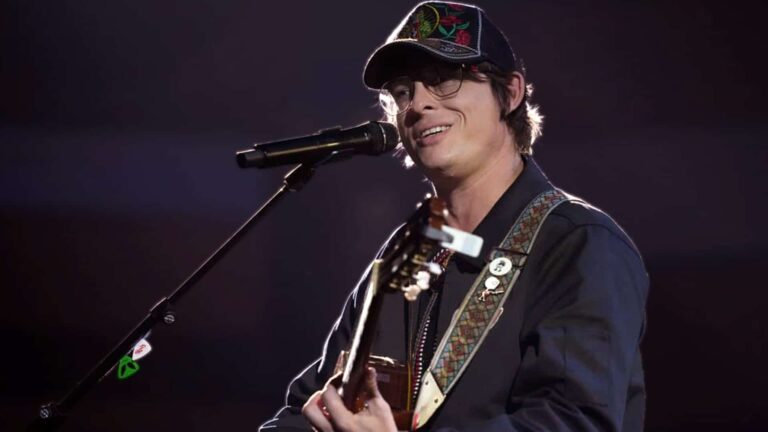
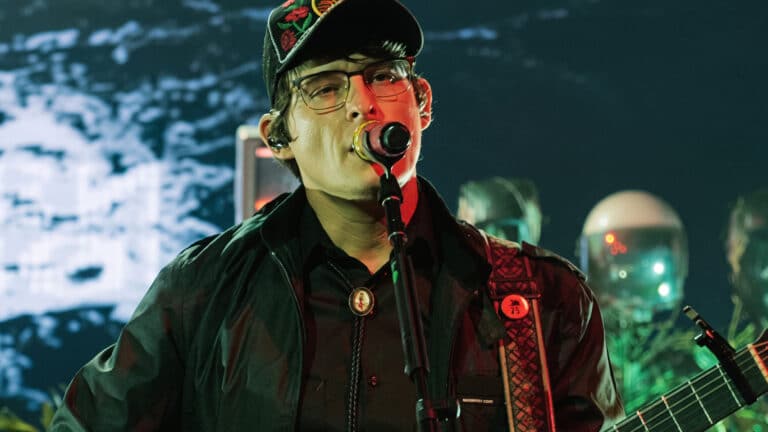
LeDoux died in March 2005, and the Frontier Days stage has kept drawing the biggest names in country music. Past performers include Garth Brooks, Brooks & Dunn and Nelly, and the 2023 lineup included Tim McGraw, Eric Church, Zach Bryan and Cody Johnson.
All of it goes back to a meeting in the Tivoli Saloon at 16th Street and Carey in 1897. The young bareback rider who once sold his music from a booth under its grandstands came back to sing on its stage.
Know someone who loves Chris LeDoux?
Pass this story along to your friends and family on Facebook.