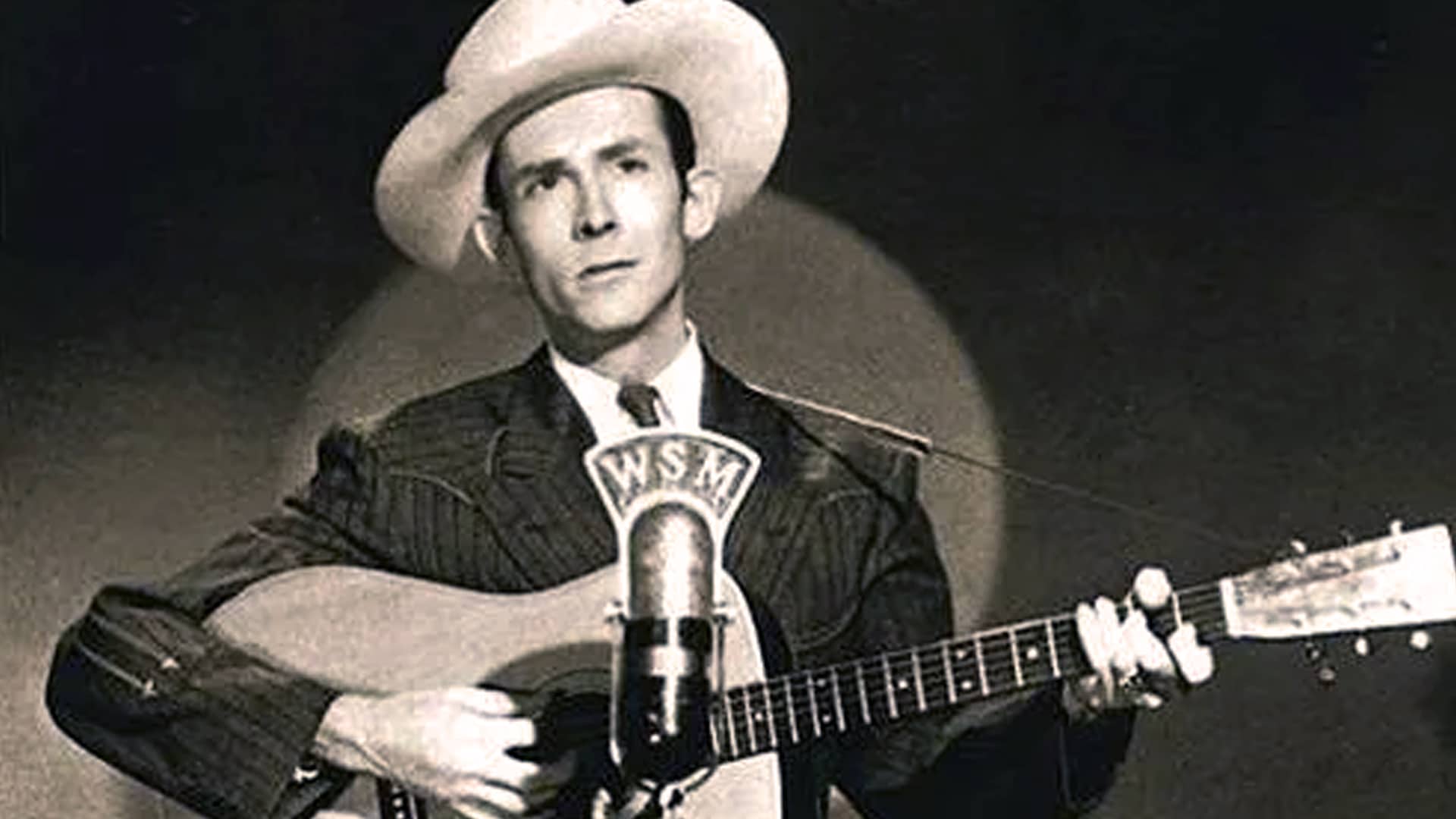


Hank Williams walked onto the Grand Ole Opry stage in June 1949 and left it that night with six encores ringing in the rafters, but just three years later, the same stage would shut its doors on him for good.
By 1952, Williams wasn’t just country music’s brightest star. He was the voice of heartbreak, honky-tonks, and Saturday nights in living rooms across America. But the shine was starting to crack. Alcohol, missed shows, and a personal life in shambles were catching up to him. Fans didn’t see the chaos behind the curtain, but the Opry did, and it was running out of patience.
The breaking point came on August 9, 1952, when Hank Williams failed to show up for a scheduled performance. Opry manager Jim Denny had already dealt with too many no-shows, too many excuses. Two days later, on August 11, Denny made the call, and Hank Williams was fired from the Grand Ole Opry and stripped of his membership.
It wasn’t supposed to be permanent. The Opry saw it as a wake-up call, a tough-love move meant to get Hank back on track. But fate didn’t give him that chance. Less than five months later, on New Year’s Day 1953, Williams was gone, dead at just 29 from heart failure on the way to a gig in Canton, Ohio.
The loss hit the Opry, Nashville, and the fans who had made “Lovesick Blues” their anthem like a punch to the chest. For decades after, the Opry kept his memory alive, but not his membership. In 2003, his grandson Hank Williams III decided that wasn’t good enough. He launched a petition to reinstate his grandfather, racking up more than 65,000 signatures from fans who believed Hank deserved his place back in country’s most exclusive club.

It didn’t work. In 2020, Opry vice president Dan Rogers explained why, telling Rolling Stone, “Hank Williams will always be a treasured past member of the Grand Ole Opry. The Grand Ole Opry is made of living, breathing artists who can contribute to the show, and to whom the Opry can give back.” Rogers admitted that had Williams lived, he almost certainly would have been welcomed back, but posthumous reinstatement was not how the Opry worked.
Still, the institution knows the debt it owes. “There is not a single Opry night that happens where his influence isn’t felt,” Rogers said. “And there are many, many, many Opry shows where his music is sung.”
And that is true. Hank’s fingerprints are all over the Opry stage, even if his name is not on the current roster. His son, Hank Williams Jr., became an Opry performer in his own right, and his grandson Sam Williams made his Opry debut in 2019.
Seventy-three years after the firing, it remains one of the most infamous decisions in country music history. The night Hank Williams missed a show didn’t just cost him a job. It marked the beginning of the end of a life that had burned too fast and too bright.
But in the end, the Grand Ole Opry cannot erase Hank Williams from its story any more than country music can. His voice still echoes in the songs sung under those stage lights, a reminder that legends do not need a membership card to belong.