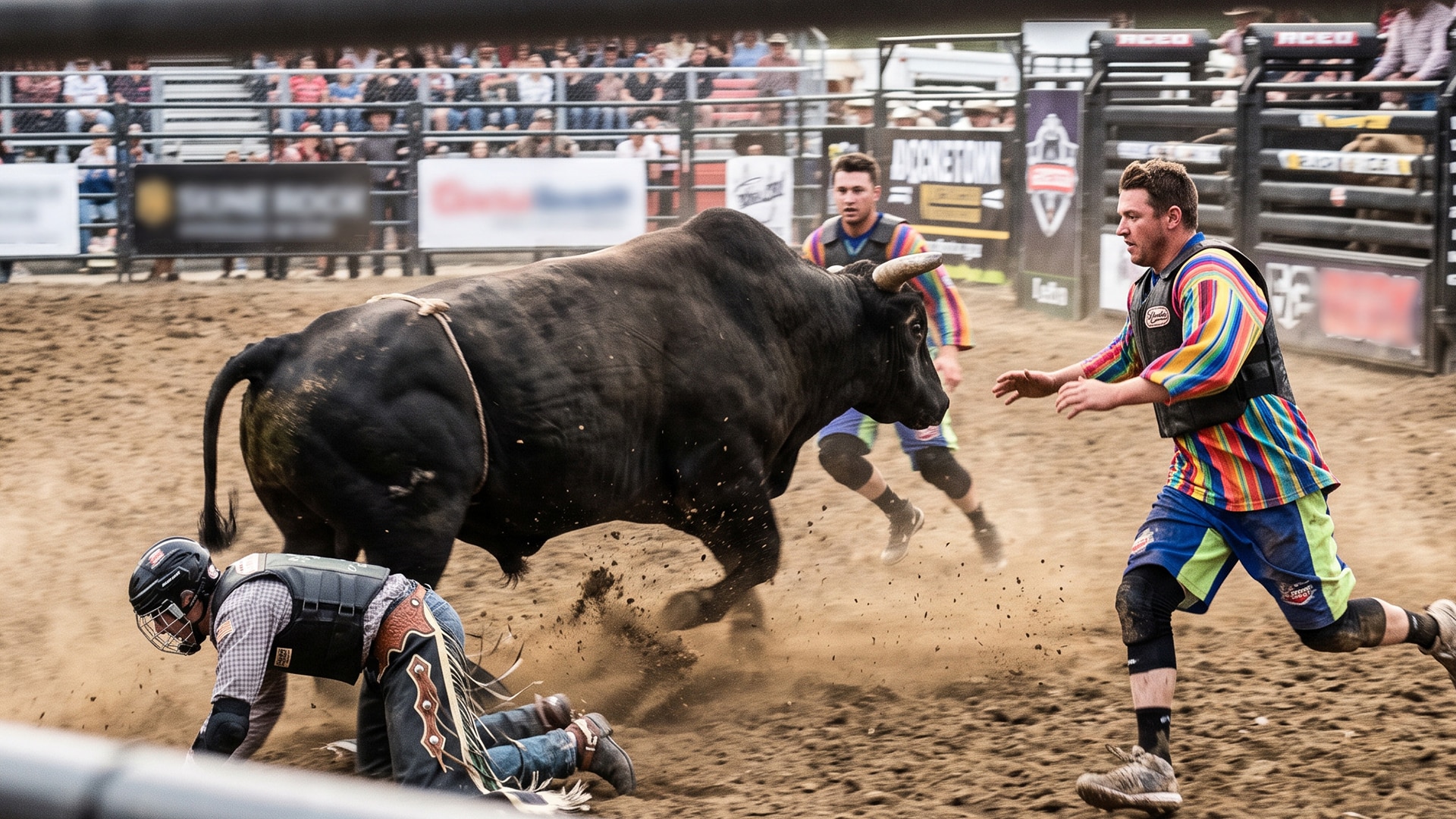


When a bull rider hits the dirt and the bull turns back on him, every human instinct says to get away from it.
Bullfighter Weston Rutkowski put it plainly to Texas Highways.
“A human’s instinct is to run away,” he said.
A rodeo bullfighter runs the other way. Bulls can weigh up to 2,000 pounds, and the bullfighter’s main job is to pull that animal’s attention off the fallen cowboy and make himself the target.
The Tucson Rodeo says he gets seconds, sometimes fractions of a second, to read an animal weighing well over 1,500 pounds and decide where to put his body. He wears protective padding, and broken bones, concussions, cuts and puncture wounds are still expected. The best of these men live by one rule about who comes first.
Rodeo Clowns Took on the Bull Before the Barrel Made Them Barrelmen
Bull riding caught on in rodeo in the 1920s and ’30s, and the job of luring the bull away from a fallen rider fell to the rodeo clown. Ralph Fulkerson of Midlothian, Texas, switched to bullfighting in the 1920s and is credited with bringing the clown’s barrel into bull riding, a wooden barrel reinforced with old tire casings.
The barrel gave him cover, but bulls still pierced it, and Fulkerson was gored several times. Silver Spurs Rodeo traces the barrelman role to the 1930s, when stock contractors began using Brahma bulls.
RELATED: Bull Rider Coy Thorson Cried ‘I Don’t Want to Do It’ as a Kid, but There Was No Backing Out
The clowns who worked on foot instead of in the barrel came to be known as bullfighters, and by the 1970s, according to AgDaily, bullfighting had become an art form of its own. The look changed later. In the early 2000s, PBR bullfighter Rob Smets led the switch from clown attire to sport jerseys and shorts with sponsor logos.
There is even a freestyle version now, where judges score fighters on technique and wow factors such as leaping over the bull. Rutkowski describes a fight as himself against a Mexican fighting bull for 60 seconds. The clown suit came off, and the job underneath it stayed the same.
Rodeo Bullfighters Earn Their Titles and Their Way Into the Arena
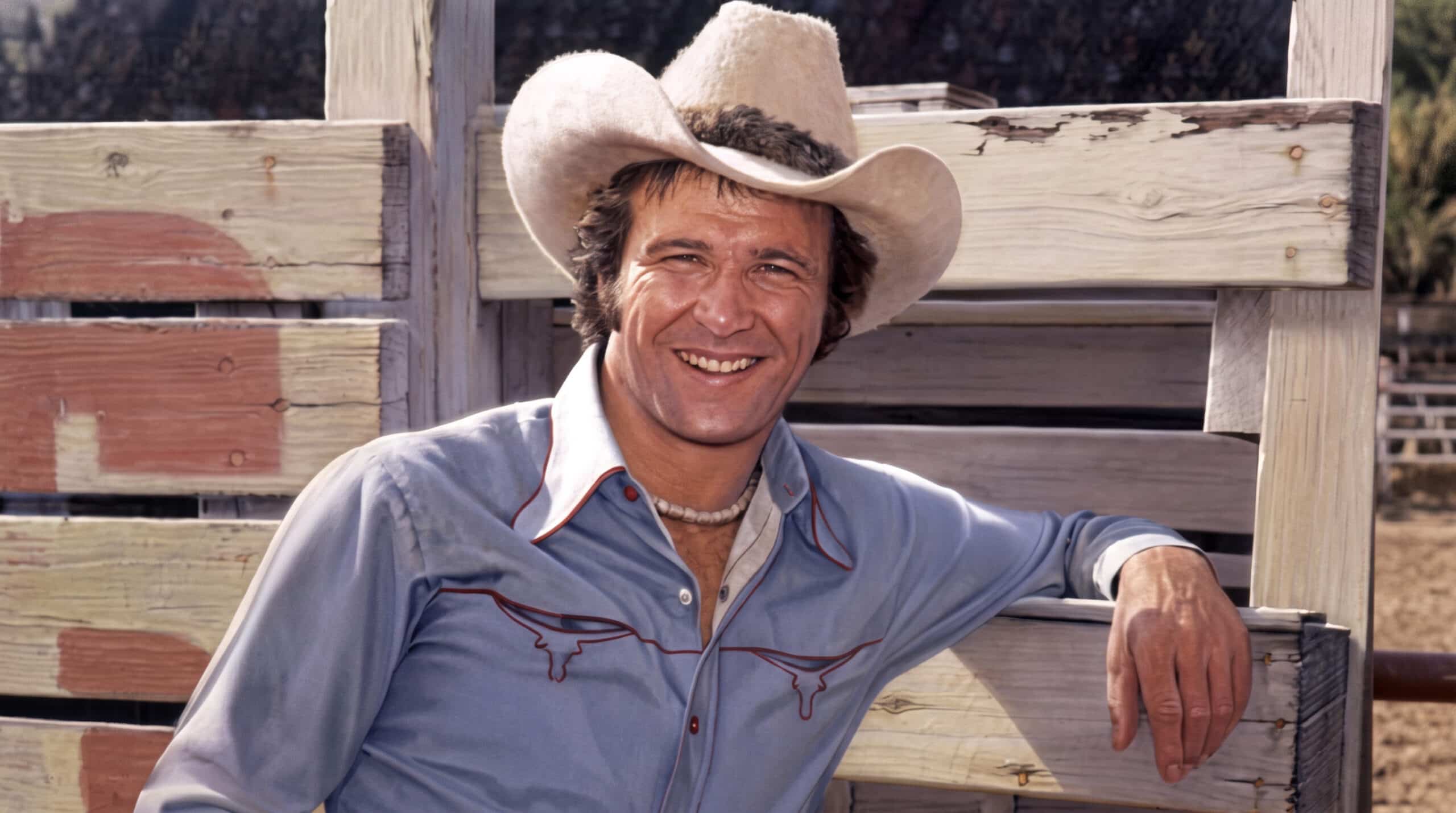
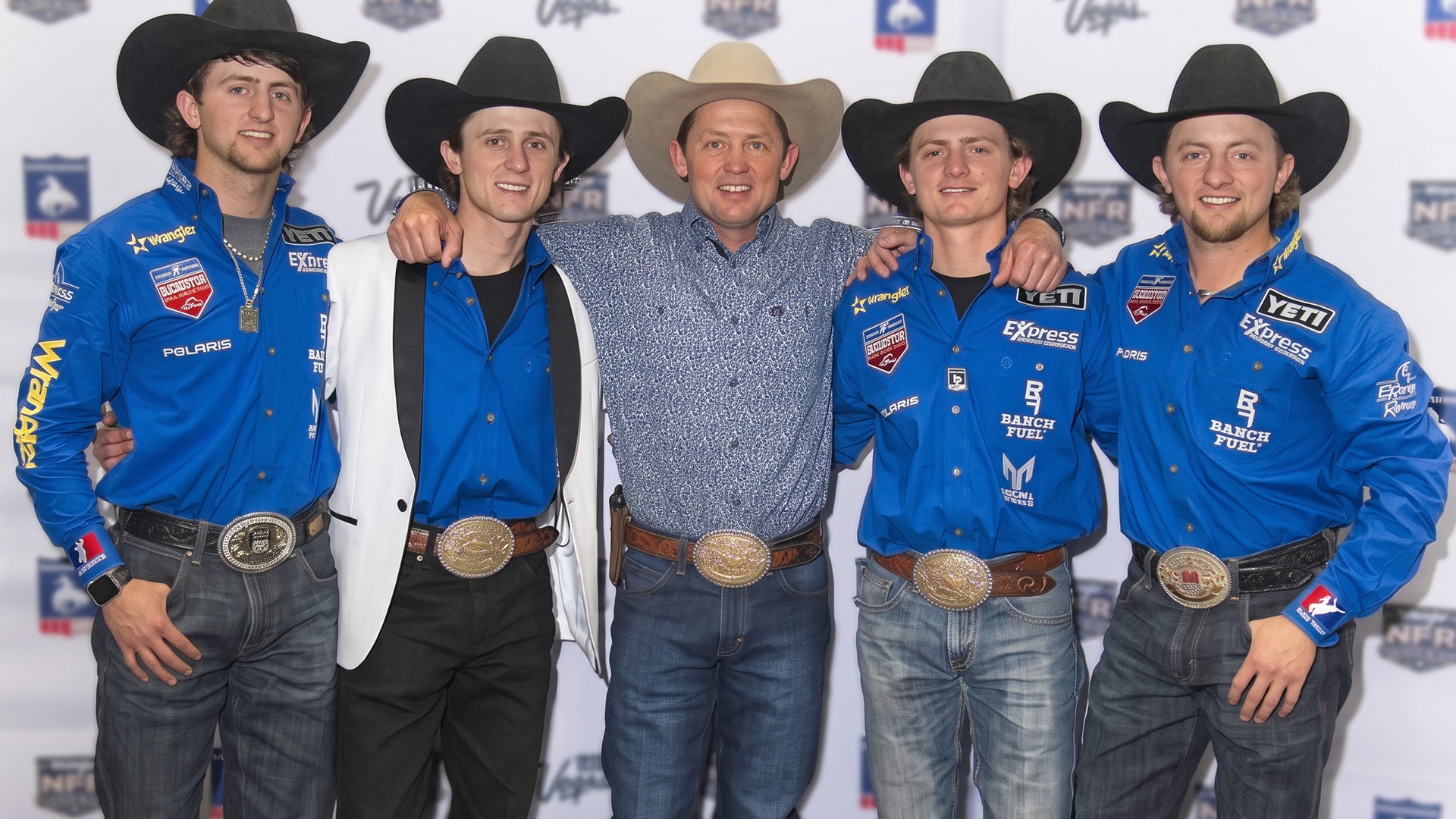
Four names stand out in the job. One is rodeo clown Leon Coffee, and the other three are bullfighters Dusty Tuckness, Cody Webster and Wacey Munsell. Coffee, of Blanco, Texas, is called probably the most famous rodeo clown in history.
Tuckness is a 10-time PRCA Bullfighter of the Year, and he has worked the Wrangler National Finals Rodeo more times than almost any bullfighter in history. Webster’s own website calls him the six-time and reigning PRCA Bullfighter of the Year, with 13 Wrangler National Finals Rodeos and 13 PBR World Finals behind him.
Munsell is a third-generation bullfighter. He was competing on pro bullfighting tours by 17 and won his first world championship days after he turned 18.
For You
Nobody gets into a PRCA arena on nerve alone. To work PRCA-sanctioned events, a bullfighter has to earn an official membership card. The work falls on very few shoulders, too. At the Tucson Rodeo, three bullfighters protect more than 100 bull riders.
Leon Coffee’s Rule Puts the Bull Rider First and the Bullfighter Last
Coffee taught the rule of the trade. A bullfighter never leads the bull back to the rider, and he captures the bull and gets it fixed on him out in the middle of the arena. He laid it out for John Spong in Texas Monthly’s “My Short Unhappy Life As a Rodeo Clown.”
“Get the bull out in the middle of the arena, where he can stomp his two thousand pounds of rampage and menace into dirt rather than bones. Let him wave those horns like baseball bats in the air, not into somebody’s kidney,” Coffee said.
Nobody does it alone. Joe Butler, quoted on the Oakley Rodeo site, said a bullfighter has to read livestock and read situations, and that professional bullfighters work as a team, with unspoken communication between them essential to a good job.
Bull riders know what that means. Tuff Hedeman, a four-time world champion who was among the top bull riders who broke from the PRCA to form the PBR in the early 1990s, has put into words what the men on foot do.
“Bullfighters, without hesitation and at any given moment, will step in harm’s way to keep a bull rider safe,” he said.
Rodeo has seen what a bull can do after the ride is over. 1987 world champion bull rider Lane Frost died at Cheyenne Frontier Days on July 30, 1989, after a bull hit him.
Coffee’s order puts the bullfighter last, and the bodies show it. Brandon Dunn fought bulls until he could not anymore.
“It got to where I was put together by bailing wire and duct tape, and I just couldn’t fight bulls anymore,” he said.
His son Brendall worked his first rodeo at 12, and by 17 he and his father were working about 20 rodeos a year as a father-son team.
Fulkerson took the horns through wood and tire casings almost a century ago. Leon Coffee’s rule still sets the order for every bullfighter who came after him, with the bull rider first and the man on foot last.

Know someone who loves Leon Coffee?
Pass this story along to your friends and family on Facebook.